Yoga for Inflexible People: Why Being Stiff Is Actually the Perfect Reason to Start
Advertisements
Here’s a stat that blew my mind — roughly 36 million Americans practice yoga, and I guarantee you a huge chunk of them couldn’t touch their toes when they first started. I know I couldn’t. When I rolled out my mat for the first time about six years ago, I could barely reach past my knees in a forward fold. It was honestly embarrassing. But here’s the thing — yoga for inflexible people isn’t some watered-down version of “real” yoga. It IS yoga.
Why Inflexible People Avoid Yoga (And Why That’s Backwards)
I hear it all the time from friends and coworkers. “Oh, I can’t do yoga — I’m way too stiff.” That’s like saying you’re too dirty to take a shower. Yoga isn’t something you need to be flexible FOR; it’s something you do to BECOME more flexible.
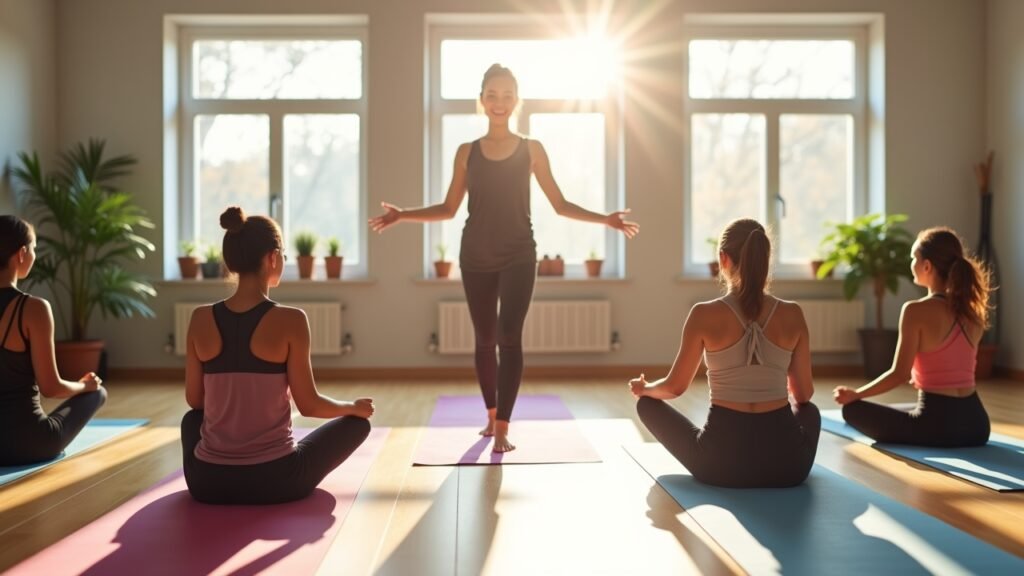
I’ll be honest, the intimidation factor is real. I walked into my first beginner yoga class and saw people folding themselves like human pretzels, and my brain immediately went into panic mode. But my instructor said something that stuck with me: “Yoga isn’t about where you are, it’s about showing up.”
The truth is, tight muscles, stiff hamstrings, and limited range of motion are exactly the reasons you should be practicing. Your body is basically begging you for some gentle stretching and mobility work.
The Best Beginner Yoga Poses for Stiff Bodies
Alright, let’s get practical. These are the poses that saved my inflexible self when I was starting out, and they’re all totally modifiable.
- Cat-Cow Stretch — This one’s done on all fours, and it gently loosens up your spine. Even on my worst days, I could do this without feeling like I was gonna snap in half.
- Standing Forward Fold (with bent knees!) — Forget touching the floor. Just let gravity do the work and keep those knees as bent as you need. Nobody’s judging.
- Child’s Pose — Honestly, this became my best friend. It stretches your hips, back, and thighs, and it feels like a gentle hug for your whole body.
- Reclined Pigeon Pose — Way easier than the regular pigeon pose, and it’s amazing for tight hips. I literally felt a difference after doing this for just a week.
- Legs Up the Wall — You literally just lay there with your legs against the wall. It’s restorative, it helps with circulation, and even the stiffest person alive can do it.
The Yoga Journal flexibility guide has great visual breakdowns of these if you need to see proper form.
Props Are Your Secret Weapon
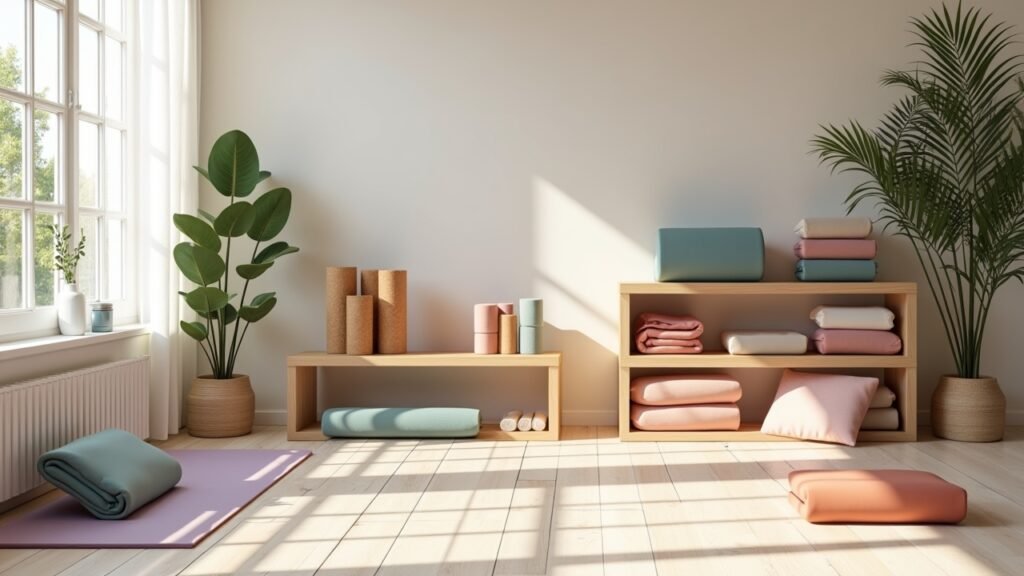
I used to think yoga props were cheating. What a dumb mindset that was! Yoga blocks, straps, and bolsters exist specifically to help people with limited flexibility access poses safely.
A good yoga strap changed everything for me during seated forward folds. Instead of straining to reach my feet and rounding my back like a scared cat, I could loop the strap around my feet and maintain proper alignment. Blocks under your hands in standing poses are also a total game changer.
Don’t sleep on a thick yoga mat either. My knees were killing me on a thin mat until I upgraded to something with more cushion. Your joints will thank you.
How Fast Will You Actually See Progress?
Here’s where I gotta keep it real with you. Progress is slow. Like, painfully slow sometimes. I remember being three weeks in and still unable to straighten my legs in downward dog, and I was so frustrated I almost quit.
But around the six-week mark? Something shifted. My hamstrings started loosening up. My lower back pain that had been bugging me for years started fading. Most people notice meaningful improvements in flexibility within 4-8 weeks of consistent practice — even just 15-20 minutes a day.
Consistency beats intensity every single time. A short daily stretch routine will outperform one aggressive weekly class.
Your Stiff Body Is Welcome on the Mat
Look, if you’ve been putting off yoga because you think you’re “not flexible enough,” please just start. Use props, modify every pose, bend your knees as much as you want, and ignore what the person next to you is doing. Listen to your body and respect its limits — pushing too hard too fast is how injuries happen.
Advertisements
Your yoga journey is yours alone. Customize it, go slow, and enjoy the process. And if you’re looking for more wellness tips and beginner-friendly guides, swing by the Reset Harbor blog — we’ve got plenty more where this came from!