Advertisements
How Light Affects Your Sleep Cycle (And What I Did Wrong for Years)
Did you know that exposure to artificial light at night can delay your sleep cycle by up to three hours? I had no idea — not until I spent weeks feeling like a zombie, dragging myself through mornings and wondering why I couldn’t fall asleep before 2 AM. Turns out, I was basically sabotaging my own body every single night. And honestly? Most of us are doing the same thing.
The relationship between light and sleep is way more powerful than people give it credit for. Your body runs on a biological clock, and light is the main thing that sets it. So if you’ve been struggling with sleep quality, restlessness, or just waking up feeling totally wrecked — this one’s for you.
What Is the Circadian Rhythm, Anyway?
Your circadian rhythm is basically your body’s internal 24-hour clock. It controls when you feel awake, when you get sleepy, your body temperature, hormone release — the whole deal. Light is the number one signal your brain uses to keep that clock on track.
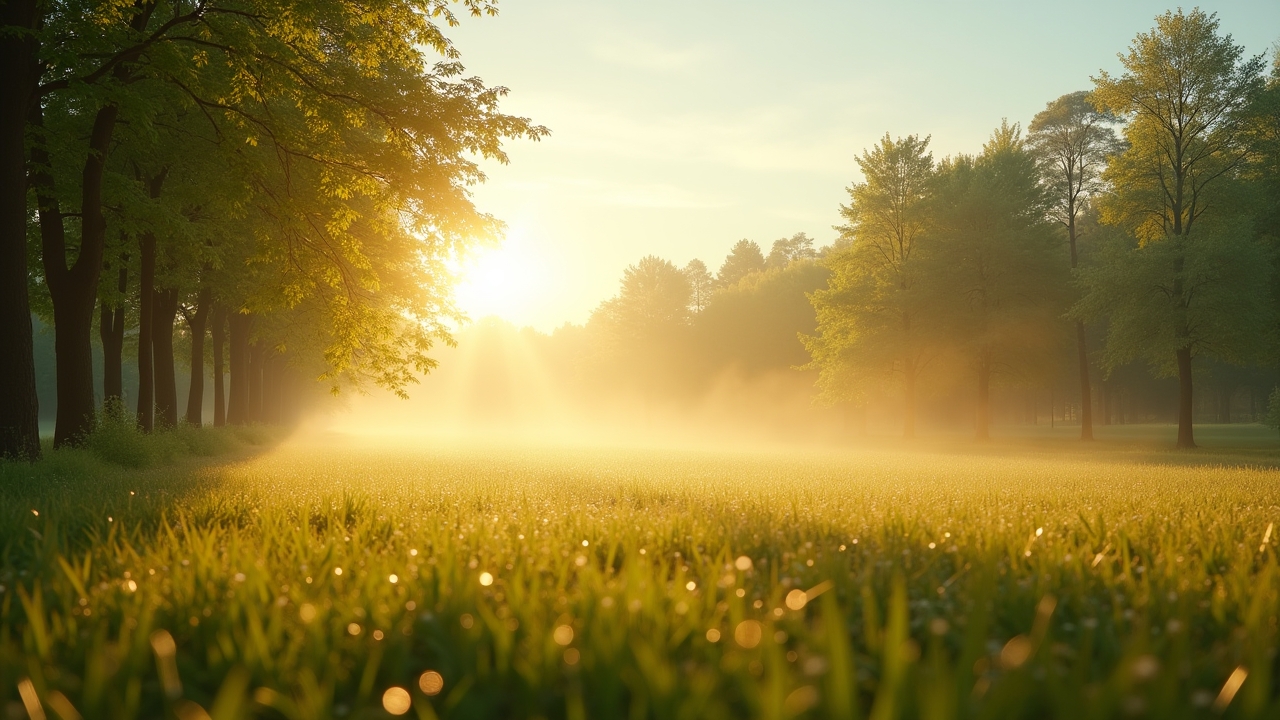
When natural light hits your eyes in the morning, your brain gets the message: “Hey, it’s daytime, let’s go!” It suppresses melatonin — the sleep hormone — and gets you fired up. Then, as it gets dark, melatonin production kicks back in and starts making you drowsy. Simple, right? Well, it was. Before screens existed.
The Night I Realized I Was Wrecking My Own Sleep
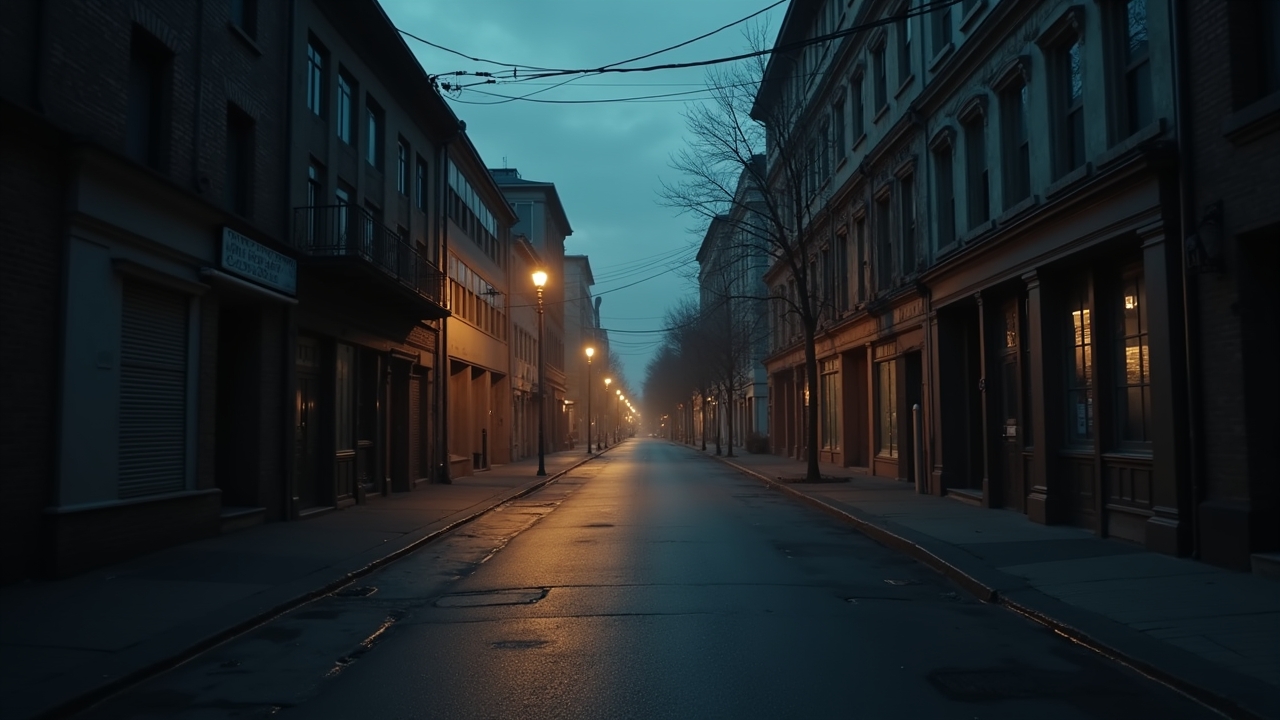
A few years back, I had this habit of watching TV in bed until midnight, phone in hand, scrolling social media with the brightness cranked all the way up. I genuinely thought I was “winding down.” I wasn’t. I was essentially telling my brain it was high noon.
Blue light — the kind that blasts out of phones, tablets, laptops, and LED bulbs — is the worst culprit when it comes to messing with your melatonin levels. According to Harvard Health, blue light suppresses melatonin roughly twice as long as other light wavelengths. No wonder I couldn’t sleep! Once I learned that, I felt equal parts enlightened and annoyed at myself.
Advertisements
How Different Types of Light Impact Sleep Quality
Not all light is created equal, and understanding that changed everything for me. Here’s a quick breakdown of what I’ve learned:
- Blue light (screens, LED bulbs): Most disruptive to your sleep-wake cycle. Best avoided at least 1–2 hours before bed.
- Red and amber light: Much gentler on melatonin production. Great for evenings — think warm-toned lamps or candlelight.
- Natural sunlight: The gold standard for regulating your circadian rhythm. Morning sunlight especially helps anchor your internal clock.
- Dim light: A solid middle ground for evenings when you need to do stuff but don’t want to blast your brain awake.
I switched my bedroom bulbs to warm-toned, low-wattage options and honestly — game changer. Sleep onset came faster, and I stopped lying there staring at the ceiling for an hour.
Practical Tips to Align Your Light Exposure With Your Sleep Cycle
Okay, here’s the stuff that actually worked for me. No fluff, just real changes you can make starting tonight.
- Get morning light first thing. Step outside for even 10–15 minutes after waking up. Natural light in the morning helps reset your circadian clock and boosts daytime alertness. It sounds almost too easy, but it works.
- Use blue light blocking glasses in the evening. I was skeptical at first, but these things are legit. The Sleep Foundation backs them up as a helpful tool for reducing blue light exposure before bed.
- Enable night mode on your devices. Most phones and laptops have a built-in warm light filter. Turn it on. Set it to activate automatically at sunset.
- Dim your indoor lights after 8 PM. Your brain is super sensitive to light intensity in the hours before sleep. Even this small shift can make a noticeable difference.
- Keep your bedroom as dark as possible. Blackout curtains are worth every penny. Even small light sources — like a charging LED — can interrupt your sleep stages without you knowing it.
Your Sleep Deserves Better Than a Bright Screen
Look, I’m not going to tell you to throw your phone across the room and live by candlelight. That’s not realistic. But small, intentional changes to how you manage light — especially in the evening — can seriously transform your sleep cycle and how you feel every single day.
Your circadian rhythm is working hard for you. The least we can do is stop fighting it. Start with one or two changes from the list above, see what clicks for you, and build from there. Everyone’s body is a little different, so don’t be afraid to experiment and adjust.
And hey — if you found this helpful, there’s a whole lot more where that came from. Head over to Reset Harbor for more posts on sleep, wellness, and the little habits that make a big difference. Your best night’s sleep might just be one good read away.