
Advertisements
Here’s a wild stat that kept me up at night (ironic, I know): about 70 million Americans suffer from chronic sleep problems. I was definitely one of them for years! After countless nights of tossing and turning, I finally cracked the code on building a solid bedtime routine for sleep that works.
Look, I’m not gonna pretend I figured this out overnight. It took me embarrassingly long to realize that scrolling through TikTok until 2 AM wasn’t exactly helping my sleep quality. But once I committed to a proper wind-down routine, everything changed.
Why Your Brain Needs a Sleep Ritual
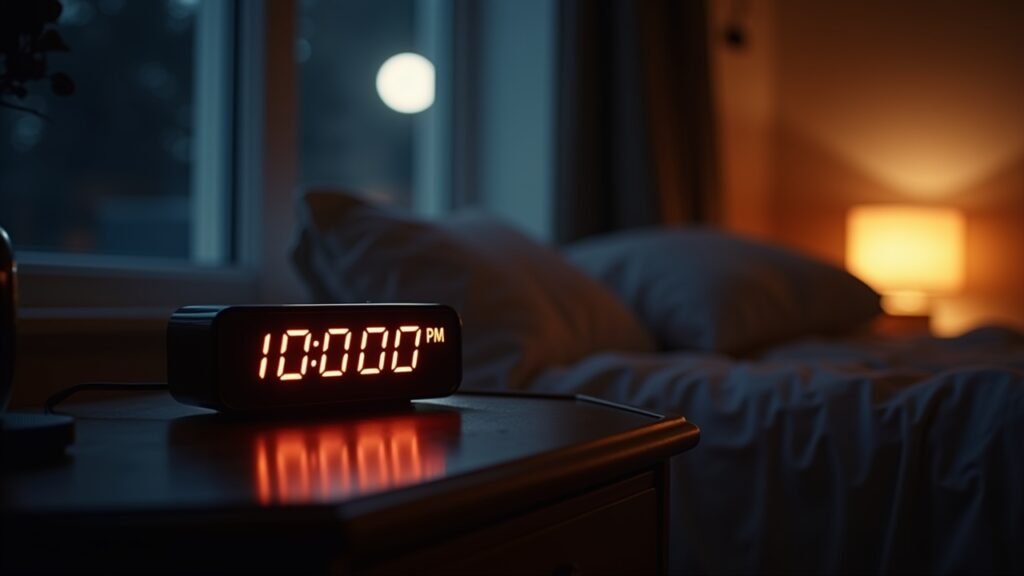
So here’s the thing about our brains – they’re kinda like toddlers. They need predictability and signals to know when it’s time to wind down. When I learned this from the Sleep Foundation, it was a total lightbulb moment for me.
Your circadian rhythm basically runs on cues. Without consistent sleep signals, your body has no idea when to start producing melatonin. I used to wonder why I felt wired at midnight even though I was exhausted – turns out my routine was sending all the wrong messages.
The Pre-Sleep Mistakes I Made (So You Don’t Have To)
Man, where do I even start? I’d drink coffee at 6 PM thinking it would wear off by bedtime. Spoiler alert: it didn’t. I also exercised super late, which left me buzzing with energy when I should’ve been getting drowsy.
The worst offender was keeping my phone on my nightstand. The blue light exposure was absolutely wrecking my sleep onset. Once I moved my charger across the room, falling asleep became way easier.
Building Your Perfect Nighttime Routine
Okay, let’s get into the good stuff. Your evening routine should ideally start about 60-90 minutes before you actually want to be asleep. I know that sounds like a lot, but trust me on this one.
Advertisements
Step One: Dim Those Lights
Around 8 PM, I start dimming lights throughout my house. This signals to my brain that nighttime is approaching. It felt silly at first, but the difference in my sleep latency was noticeable within a week.
Some folks even use special bulbs that filter out blue light. I got mine from Amazon and honestly, it’s been a game-changer for my relaxation routine.
Step Two: Screen Curfew
This one’s tough, I ain’t gonna lie. But putting away screens at least 30 minutes before bed has been crucial for my sleep hygiene. I replaced doomscrolling with reading actual paper books. Old school, but it works!
Step Three: The Wind-Down Activities
Finding calming activities for your bedtime schedule takes some experimentation. For me, it’s a combination of light stretching, journaling, and sometimes a warm bath. The warm bath trick is backed by science – when your body temperature drops after getting out, it mimics the natural temperature decline that happens before sleep.
Here’s a great video that walks through some relaxing stretches perfect for bedtime:
Yoga for Bedtime – 20 Minute Practice
The Little Things That Make a Big Difference
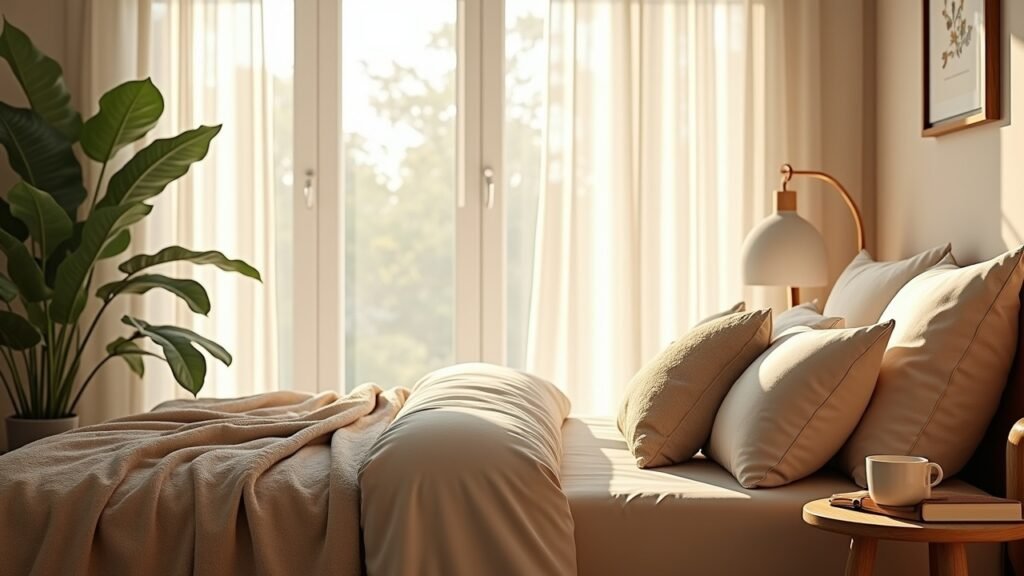
Your sleep environment matters more than you’d think. I invested in blackout curtains and keep my bedroom around 65-68 degrees. The CDC recommends keeping your bedroom cool, dark, and quiet for optimal rest.
I also stopped eating heavy meals close to bedtime. Learned that lesson the hard way after a late-night pizza session that left me with heartburn until 3 AM. Not fun, friends.
Another video I found helpful for understanding sleep science:
Making It Stick
Here’s the real talk: consistency is everything with sleep routines. Your body clock needs regular sleep and wake times, even on weekends. I know sleeping in on Saturday feels amazing, but it was actually messing up my sleep patterns for the whole week.
Remember, what works for me might not work perfectly for you. Maybe you need herbal tea as part of your ritual, or perhaps meditation is your thing. The key is finding activities that genuinely help you relax and sticking with them long enough to see results.
Start small if you need to. Even just implementing one change – like the screen curfew – can make a noticeable difference in your sleep quality. Your future well-rested self will thank you! For more tips on improving your daily habits and lifestyle, check out other posts on Reset Harbor.