
Advertisements
Sleep Quality vs Quantity: Why Getting 8 Hours Might Still Leave You Exhausted
Here’s a stat that honestly blew my mind — roughly 1 in 3 American adults don’t get enough sleep. But here’s the thing nobody really talks about: a good chunk of those people ARE sleeping enough hours. They’re just sleeping terribly. I spent years thinking I was doing everything right because I clocked a solid eight hours every night, and I still felt like a zombie most mornings!
Understanding the difference between sleep quality vs quantity changed everything for me. And I mean everything. So let me break this down in a way I wish someone had done for me years ago.
What Do We Even Mean by Sleep Quality and Sleep Quantity?
Sleep quantity is the easy one — it’s simply how many hours you spend asleep. Most adults need somewhere between 7 and 9 hours, according to the National Sleep Foundation. Pretty straightforward, right?
Sleep quality, on the other hand, is trickier. It’s about how restorative your sleep actually is — how much time you spend in deep sleep and REM sleep, how often you wake up during the night, and how quickly you fall asleep in the first place. You could be in bed for nine hours but only get maybe five hours of actual good, restorative rest.
I learned this the hard way. For about two years, I was religiously hitting my eight-hour target but still dragging myself through the day like my bones were made of concrete. Turns out my sleep was being fragmented by things I didn’t even realize — my phone buzzing on the nightstand, my room being too warm, and a lovely little habit of having coffee at like 4 PM.
Why Quality Wins (Most of the Time)
Look, both matter. I’m not gonna sit here and tell you that six hours of perfect sleep beats nine hours every time. But if I had to pick one to focus on? Quality. Every single time.
Advertisements
During deep sleep, your body repairs tissues, builds muscle, and strengthens your immune system. REM sleep is when your brain consolidates memories and processes emotions. If you’re not cycling through these sleep stages properly, it doesn’t really matter how long you lay there with your eyes closed.
A buddy of mine — a night shift nurse — once told me she sleeps about six and a half hours but wakes up feeling amazing. Meanwhile, I was getting eight and feeling awful. The difference was that her sleep hygiene was dialed in perfectly and mine was, well, a mess.
Simple Things That Actually Improved My Sleep Quality
Alright, here’s where it gets practical. These are things I’ve personally tried, and I’m only sharing the stuff that actually worked.
- I kept my bedroom cool — around 65-68°F. This was a game changer and I was honestly annoyed I didn’t do it sooner.
- I stopped looking at screens an hour before bed. Yeah, you’ve heard this one before. But actually doing it? Totally different story.
- I cut caffeine after noon. My beloved afternoon coffee had to go and I grieved it a little, not gonna lie.
- I got a consistent sleep schedule. Same bedtime, same wake time — even on weekends. This one was rough at first but my circadian rhythm thanked me.
- I started doing a quick wind-down routine. Nothing fancy. Just some light stretching and reading a boring book. Works like a charm.
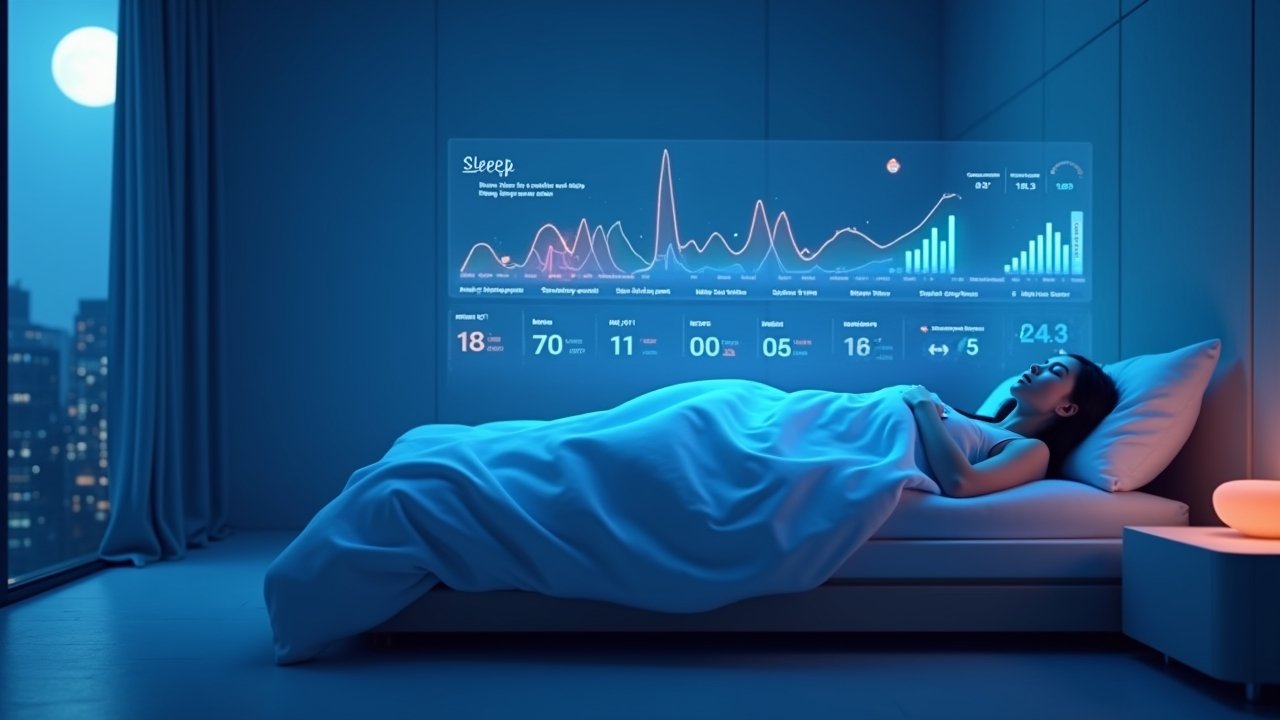
One thing I’ll add — and this is kind of a tangent — is that tracking my sleep with a basic app helped me actually see how fragmented my rest was. Seeing those numbers made the problem real in a way that just “feeling tired” never did.
So How Many Hours Do You Actually Need?
The honest answer is: it depends on you. Some people genuinely function great on seven hours. Others need closer to nine. The key is paying attention to how you feel during the day, not just obsessing over a number.
If you’re sleeping eight hours and still hitting a wall by 2 PM, the problem probably isn’t quantity. It’s quality. And that’s actually good news because sleep quality is something you can improve starting tonight.
What This All Comes Down To
Sleep quality vs quantity isn’t really an either/or situation — you need both working together. But if your sleep duration is fine and you’re still exhausted, shifting your focus to sleep quality is where the magic happens. Experiment with the tips above, give your body a couple weeks to adjust, and pay attention to what changes.
And hey — if you’re on a journey to reset your habits and feel better overall, there’s a ton more helpful stuff waiting for you over at the Reset Harbor blog. Go poke around, find what speaks to you, and start making small changes today. Your future well-rested self will seriously thank you.