Advertisements
Best Sleep Apps for Insomnia: Do They Actually Work?
Did you know that around 70 million Americans suffer from chronic sleep disorders? Yeah, that’s not a typo. Seventy. Million. I used to be one of them, staring at the ceiling at 2 AM wondering why my brain just wouldn’t shut up. If you’re reading this, I’m guessing you know exactly what I’m talking about. The good news? Sleep apps for insomnia have come a long way, and some of them are genuinely worth your time.
Why Sleep Apps Have Become So Popular
Honestly, the rise of sleep apps makes total sense when you think about it. People are stressed, screens are everywhere, and nobody wants to immediately jump to prescription sleep aids. Sleep apps offer a low-risk, affordable way to tackle insomnia symptoms from your phone — which, let’s be real, is already on your nightstand anyway.
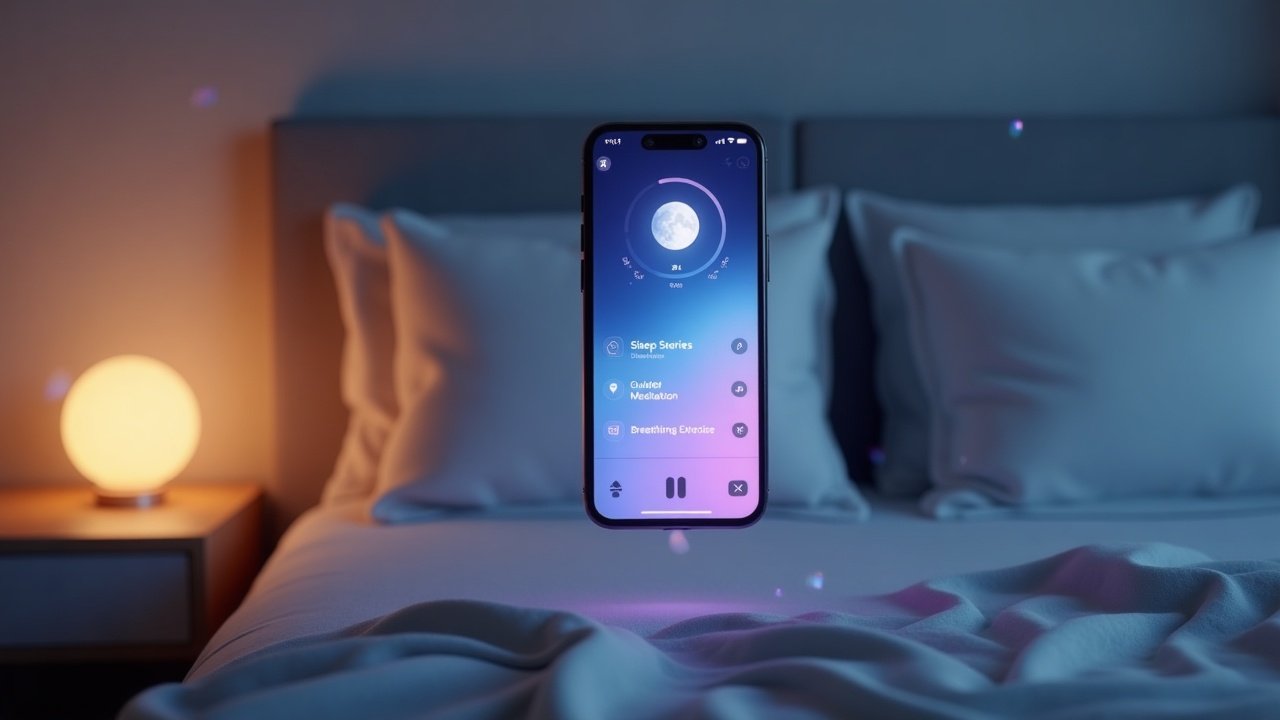
Most of these apps focus on things like guided meditation, sleep sounds, breathing exercises, and even Cognitive Behavioral Therapy for Insomnia (CBT-I). That last one is actually backed by serious clinical research as one of the most effective long-term treatments for chronic insomnia. So yeah, this isn’t just white noise and wishful thinking.
The Sleep Apps I Actually Tried (And My Honest Take)
I spent about three months testing different sleep apps because, well, I was desperate. My sleep quality had tanked after a stressful school year, and I was running on four hours a night like some kind of zombie teacher. Not cute. Here’s what I found:
- Calm: Great for guided sleep meditations and sleep stories. Calm is super beginner-friendly, and the “body scan” exercises genuinely helped me slow down my racing thoughts. It’s not free, but worth the trial at least.
- Headspace: More structured than Calm, with dedicated sleep courses built around mindfulness techniques. I liked the wind-down exercises a lot.
- Sleepio: This one is CBT-I based and honestly the most “clinical” of the bunch. Sleepio walks you through a personalized program over several weeks. It felt like homework, but it worked.
- Pzizz: Uses something called “psychoacoustic” audio — basically a mix of music, voiceovers, and sound effects designed to help you drift off. Weird concept, surprisingly effective.
The biggest mistake I made early on was jumping between apps every few days. Consistency is everything here. Give any app at least two to three weeks before deciding it’s not working.
What to Look for in a Sleep App
Not all sleep apps are created equal, and trust me, some of them are basically just fancy alarm clocks with ocean sounds. When you’re shopping around, keep an eye out for these features:
Advertisements
- CBT-I programs: These are clinically validated and target the root causes of insomnia, not just the symptoms.
- Sleep tracking: Apps that monitor your sleep cycles can give you useful data about your rest patterns over time.
- Relaxation techniques: Breathing exercises, progressive muscle relaxation, and guided imagery are all solid tools for winding down.
- Customization: The best apps let you tweak things to fit your lifestyle, whether that’s adjusting sleep sounds or setting a personalized sleep schedule.
Also, check if the app has a free trial. Most good ones do, and there’s no reason to pay upfront before you know it vibes with you.
A Few Things Worth Remembering
Sleep apps can be a great tool, but they’re not a magic fix. If your insomnia is severe or has been going on for a long time, it’s worth talking to a healthcare professional. Apps work best as part of a broader approach to sleep hygiene — think consistent bedtimes, reducing caffeine, and keeping your bedroom cool and dark. The CDC has some solid sleep hygiene tips if you want a quick reference.
Also, be mindful of screen time. I know it’s ironic to use your phone to fix a phone-related sleep problem, but setting your app up before you climb into bed — rather than scrolling endlessly — makes a real difference.
Ready to Finally Get Some Rest?
Look, I get it. Insomnia is exhausting in every sense of the word. But sleep apps have genuinely helped a lot of people — including me — build better sleep habits without diving straight into medication. The key is finding the right app for your specific needs and actually sticking with it. Try one, tweak your routine, and be patient with yourself.
And hey, if you found this helpful, there’s plenty more where that came from. Head over to Reset Harbor’s blog for more tips on wellness, mental health, and building better daily habits. You deserve a good night’s sleep — let’s make it happen.