Advertisements
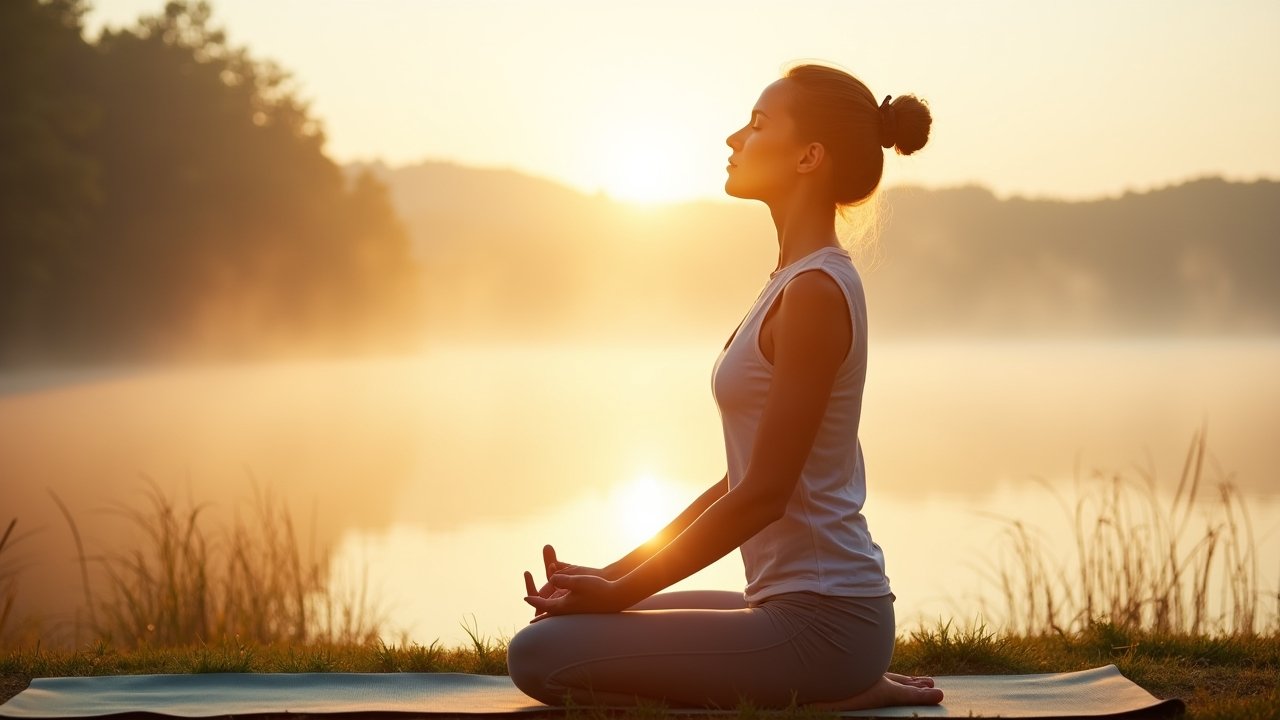
Gentle Yoga for Stress Relief: How I Finally Found My Calm
Did you know that nearly 77% of people regularly experience physical symptoms caused by stress? Yeah, that stat hit me hard when I first read it. I was one of those people — shoulders up to my ears, jaw clenched, barely sleeping — until I stumbled into a gentle yoga class by total accident!
I’m not exaggerating when I say gentle yoga for stress changed my life. And I’m not some zen guru with a Pinterest-perfect morning routine, trust me. I’m just a regular person who was burned out and desperate for relief. So let me walk you through what I learned, what worked, and honestly, what didn’t at first.
What Is Gentle Yoga, Exactly?
Okay, so gentle yoga is basically yoga’s chill cousin. It focuses on slow, mindful movements, deep breathing, and holding poses for longer periods without pushing your body to its limits. Think less “pretzel contortion” and more “ahh, that feels nice.”
Unlike power yoga or hot yoga, gentle yoga is designed for all fitness levels — including total beginners and people dealing with chronic stress, anxiety, or even mild depression. According to Johns Hopkins Medicine, yoga can help reduce stress hormones like cortisol and improve overall mental well-being. That’s not just feel-good fluff — that’s actual science.
My First (Slightly Embarrassing) Gentle Yoga Experience
I remember showing up to my first gentle yoga class in a ratty old t-shirt and basketball shorts. Everyone else had these flowy yoga pants and blocks and straps — I didn’t even know what a yoga block was! I felt completely out of place.
But here’s the thing — nobody cared. The instructor had us start with a simple breathing exercise called box breathing, and within five minutes, I could literally feel my nervous system slowing down. It was wild. By the end of the class, I was hooked.
Advertisements
The Best Gentle Yoga Poses for Stress Relief
After months of practice, these are the poses that genuinely help me decompress after a rough day. Try them out — seriously, don’t skip this part!
- Child’s Pose (Balasana): The ultimate stress-melter. You fold forward, rest your forehead on the mat, and just… breathe. It gently stretches the lower back and hips, where a lot of us carry tension without realizing it.
- Legs Up the Wall (Viparita Karani): Sounds weird, looks weirder, but oh man does it work. Lying on your back with your legs resting against a wall calms the nervous system fast. Even 5 minutes makes a difference.
- Seated Forward Fold (Paschimottanasana): Great for releasing tight hamstrings and quieting a racing mind. Don’t worry if you can’t touch your toes — I still can’t always, and that’s fine.
- Supine Twist: Lying on your back and gently twisting side to side. It feels like wringing out a wet towel — except the towel is your stress. Deeply satisfying.
- Corpse Pose (Savasana): Basically lying still at the end of class. Sounds easy, right? It’s actually the hardest one for busy-brained folks like me. But it’s where the real stress relief magic happens.
How to Build a Simple Gentle Yoga Routine at Home
You don’t need a fancy studio or expensive gear to get started — a mat and some floor space is enough. I started with just 15 minutes a day before bed, and that small habit genuinely transformed how I handled stress.
Here are a few practical tips I’ve picked up along the way:
- Start with a free YouTube class — there are hundreds of beginner-friendly options available.
- Set a consistent time. Morning, lunch break, before bed — whatever fits your schedule and actually sticks.
- Don’t force poses. Gentle yoga is supposed to feel good, not hurt. If something’s uncomfortable, back off.
- Pair your practice with slow, intentional breathing. Even just focusing on your exhale can activate your parasympathetic nervous system — your body’s built-in “calm down” button.
Your Body Deserves This — Start Small, Stay Consistent
Look, I’m not going to pretend gentle yoga is a magic cure-all. But as a stress management tool, it’s one of the most accessible and effective things I’ve ever tried. And honestly, the fact that it’s been adapted for so many different bodies and needs makes it even better.
Make it your own — add music, candles, whatever helps you settle in. Just remember to listen to your body and never push through pain. If you have any existing injuries or medical conditions, it’s always a good idea to check with your doctor before starting a new movement practice.
If this sparked something for you, there’s a whole lot more where this came from. Head over to Reset Harbor’s blog — we’ve got posts on mindfulness, breathwork, sleep, and so much more to help you find your calm. You deserve to feel better, and it really can start with one slow, gentle breath.