Advertisements
Temperature and Sleep: Why Your Bedroom’s Chill Factor Matters More Than You Think
Did you know that your body temperature naturally drops by about 1 to 2 degrees Fahrenheit when you fall asleep? I didn’t either — not until I spent three miserable summers tossing and turning, wondering why I couldn’t get a decent night’s rest. Turns out, the temperature in your sleep environment plays a massive role in how well (or how poorly) you sleep. And honestly, once I figured this out, it was kind of a game-changer.
What’s the Connection Between Body Temperature and Sleep?
So here’s the deal. Your body has this internal clock — the circadian rhythm — that regulates a ton of stuff, including your core body temperature. As bedtime approaches, your body starts to cool itself down to signal that it’s time to sleep. This process is called thermoregulation, and it’s basically your body’s way of prepping for rest.
When your room is too hot or too cold, your body struggles to do its thing. I remember one particularly brutal August night when my AC broke down. I kept waking up every hour, drenched in sweat, unable to get into deep sleep at all. That’s because heat disrupts your REM sleep cycle, which is the restorative stage you really need.
What Is the Ideal Sleep Temperature?
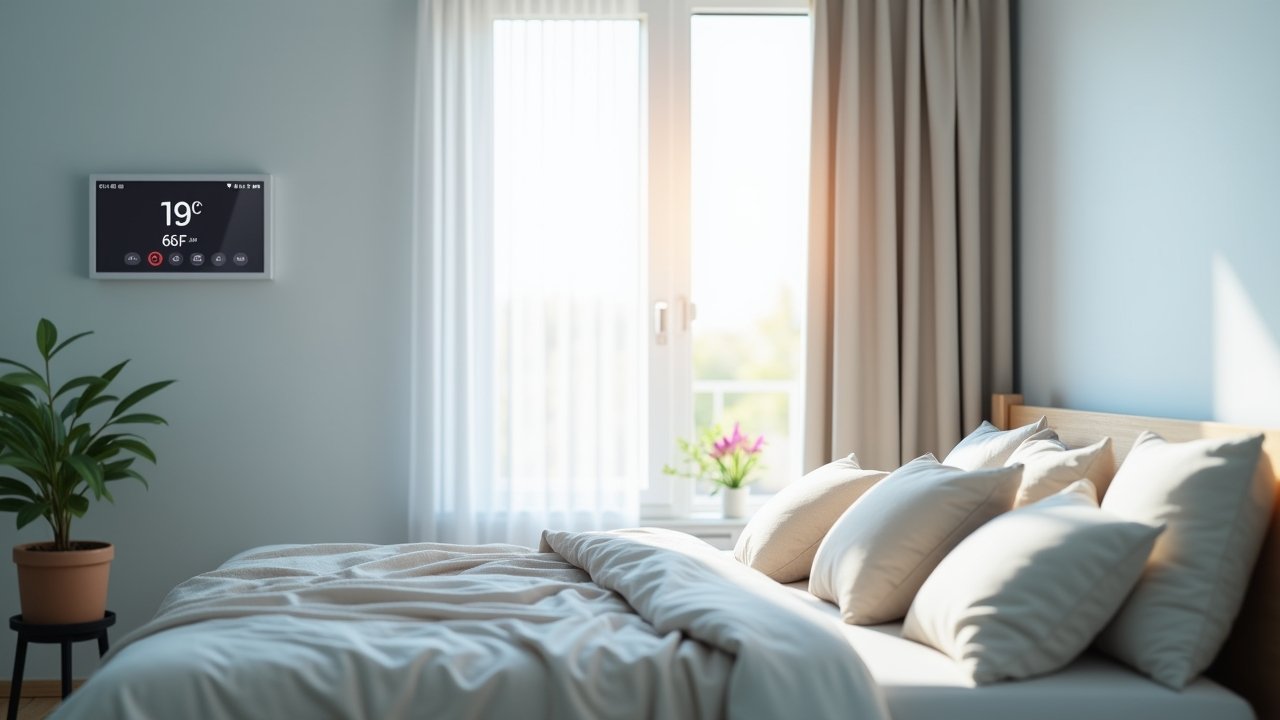
Most sleep experts, including researchers at the Sleep Foundation, agree that the sweet spot for bedroom temperature is somewhere between 60 and 67 degrees Fahrenheit (15 to 19 degrees Celsius). That might sound kinda chilly, but trust me — your body loves it.
I personally keep my thermostat at around 65°F, and honestly, the difference it made was almost immediate. Falling asleep faster, staying asleep longer. It felt like I had unlocked some secret sleep hack that nobody told me about in school.
Tips for Optimizing Your Sleep Temperature
Not everyone has a smart thermostat or central AC — I get it. But there are still plenty of ways to manage your sleep environment temperature without spending a fortune. Here are some things that have genuinely worked for me:
Advertisements
-
Use breathable bedding. I switched from a thick polyester comforter to a cotton or bamboo sheet set, and it made a noticeable difference. Natural fibers wick away moisture and help regulate body heat.
-
Take a warm shower before bed. Okay, this one sounds counterintuitive — but a warm bath or shower about an hour before bed actually helps cool you down afterward. It’s a trick I learned from a sleep coach, and it really does work.
-
Keep a fan nearby. A fan isn’t just about airflow — the white noise it creates can also improve sleep quality. Two birds, one stone.
-
Try a cooling pillow or mattress pad. These have been a total lifesaver during summer months. There are some decent affordable options out there that can lower your surface temperature while you sleep.
-
Crack a window if the weather allows. Fresh, cool night air is honestly underrated. Just make sure your allergies aren’t going to hate you for it in the morning — learned that one the hard way.
Temperature, Sleep Disorders, and When to Worry
Sometimes, no matter what you do with the thermostat, sleep just doesn’t come easy. If you’re consistently struggling with sleep quality, it might be worth looking deeper. Conditions like insomnia or sleep apnea can interfere with your body’s ability to thermoregulate properly. It’s not always just about the room temperature — sometimes it’s more complicated than that.
That said, thermal comfort is still one of the easiest and most overlooked fixes. Before going down a rabbit hole of sleep supplements or complicated routines, just try adjusting your room temp first. You might be surprised at how much it helps.
Your Sleep Environment Is Worth the Investment
Look, we spend roughly a third of our lives asleep. That’s not a small thing! Getting your bedroom temperature right isn’t some luxury — it’s a basic part of taking care of yourself. Whether you’re dealing with night sweats, restless legs, or just general sleep trouble, temperature regulation is a great place to start troubleshooting.
Everyone’s a little different, of course. Some people sleep hot, some sleep cold. The key is figuring out what works for your body and creating a consistent sleep environment around that. Don’t be afraid to experiment — adjust, observe, and adjust again.
And hey, if you’re curious about other ways to improve your well-being and daily reset routines, there’s a lot more where this came from. Head over to Reset Harbor’s blog for more practical tips on sleep, wellness, and everything in between. Your best rest is closer than you think!