Advertisements
White Noise Sleep: The Simple Trick That Finally Got Me Some Rest
Did you know that over 50 million Americans suffer from chronic sleep disorders? Yeah, I was basically one of them for years. Tossing, turning, staring at the ceiling like it owed me money — sound familiar?
That all changed when a coworker casually mentioned she’d been using white noise to sleep. I thought she was joking at first. But honestly? It became one of the best sleep decisions I’ve ever made, and I wish someone had told me sooner.
So… What Even Is White Noise?
White noise is basically a consistent sound that covers all audible frequencies at once. Think of it like a audio “blanket” that wraps around your ears and drowns out sudden, disruptive sounds — like a car honking outside or your neighbor’s dog losing its mind at 2 a.m. It’s called “white” noise because, just like white light contains all colors, white noise contains all sound frequencies.
There’s also pink noise and brown noise, which are similar but have different frequency balances. Pink noise, for example, has been linked to deeper, more restorative sleep in some studies. But for most beginners, plain old white noise is a solid starting point.
Why White Noise Helps You Sleep Better
Here’s the deal — it’s not magic. It’s science. White noise works by creating a consistent ambient sound environment that makes sudden noises less jarring to your brain. Your brain is basically on “guard duty” while you sleep, and unexpected sounds can yank you right out of deep sleep cycles.
When I started using a white noise machine, I noticed I was waking up way less during the night. Felt like my brain finally got the memo that everything was chill. According to a study published in the Journal of Caring Sciences, white noise significantly improved sleep quality in patients exposed to high levels of environmental noise. That tracks with my personal experience, big time.
Advertisements
How I Started Using White Noise for Sleep
Okay, real talk — my first attempt was a disaster. I pulled up a random white noise YouTube video, cranked the volume way too high, and woke up with a headache. Not exactly the peaceful night’s sleep I was going for. Lesson learned: volume matters a lot.
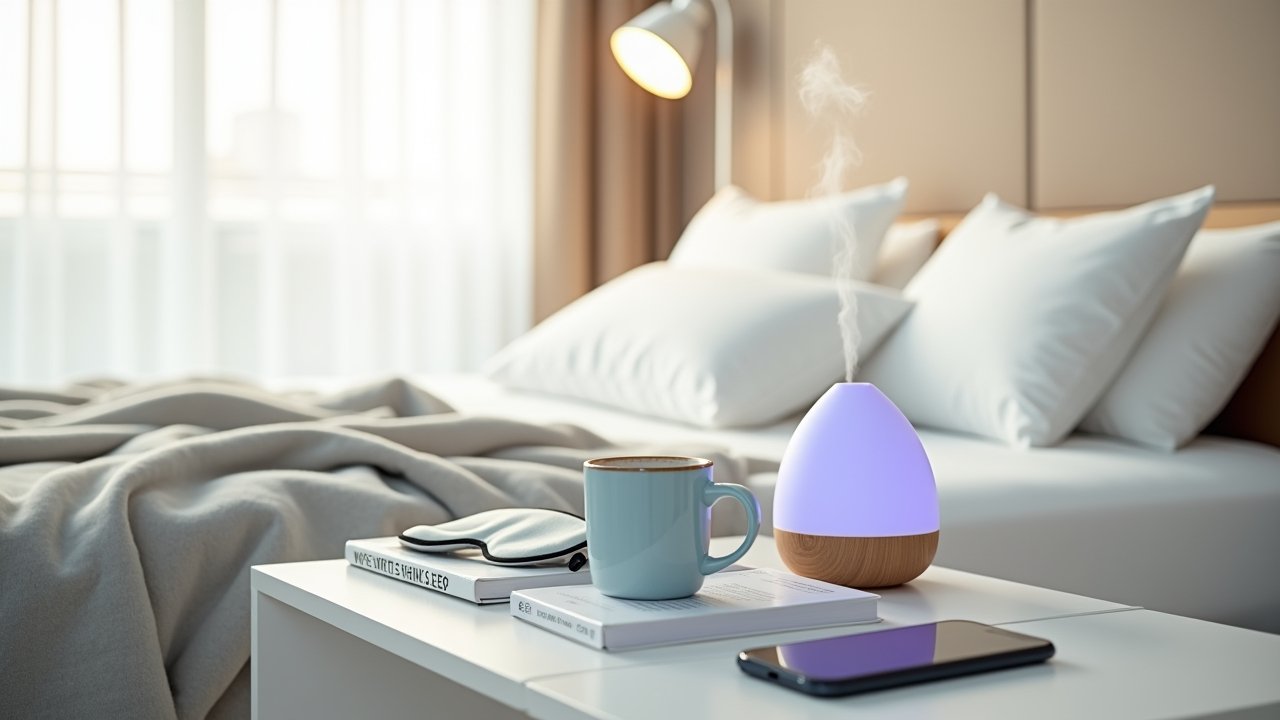
After that, I invested in a proper white noise machine — nothing fancy, just a reliable one around 30 bucks. I set it to a moderate volume, roughly the level of a soft shower running in the next room. That’s the sweet spot, and it made all the difference.
Practical Tips for Using White Noise at Night
- Keep the volume moderate. Experts recommend keeping it under 65 decibels — think soft fan, not jet engine.
- Place it at a distance. Don’t put the machine right next to your head. A few feet away works perfectly.
- Try different sounds. Some people prefer fan noise, rain sounds, or ocean waves over pure white noise. Experiment a little!
- Use it consistently. Like most sleep habits, it works best when it becomes part of your nightly routine.
- Pair it with other sleep hygiene habits. Dimming lights, avoiding screens before bed, and keeping your room cool all work together with white noise beautifully.
Is White Noise Safe for Everyone?
Generally, yes — but there are a few things worth mentioning. For babies and young children, the American Academy of Pediatrics recommends keeping white noise machines at a safe distance and low volume to protect developing hearing. For adults, as long as you’re not blasting it at concert-level volume every night, you should be totally fine.
Also, if you find that you can’t sleep at all without white noise after a few weeks, it might be worth talking to a doctor. Sleep dependency on any single thing — even harmless stuff — is worth checking out.
A Good Night’s Sleep Is Closer Than You Think
Look, I’m not saying white noise is going to solve every sleep problem you’ve ever had. But if you’re struggling with noisy environments, racing thoughts, or just inconsistent sleep quality, it’s honestly worth trying. It’s low cost, low risk, and the upside is huge — better rest, better mood, better everything.
Start small. Try a free app like myNoise tonight and see how it feels. Tweak the sounds, adjust the volume, and make it your own. Sleep is personal, after all. What works for me might need a little adjusting for you — and that’s totally okay.
If this topic got you curious about other ways to improve your rest and reset your daily routine, head over to Reset Harbor’s blog — there’s a ton of great stuff over there waiting for you. Sweet dreams!