Advertisements
Batch Cooking Basics: How I Finally Stopped Dreading Dinner Every Night
Did you know that the average American spends over 37 minutes a day just on food preparation? That blew my mind when I first read it. I used to be way above that average — scrambling around the kitchen every single evening like a headless chicken, stressed out, hungry, and honestly a little resentful of every pot and pan I owned.
Then I discovered batch cooking, and let me tell you — it changed everything. Not in a dramatic, life-coach kind of way, but in a quiet, “oh wow, Wednesday night is actually chill now” kind of way. If you’ve been curious about meal prep but don’t know where to start, you’re in the right place.
So, What Exactly Is Batch Cooking?
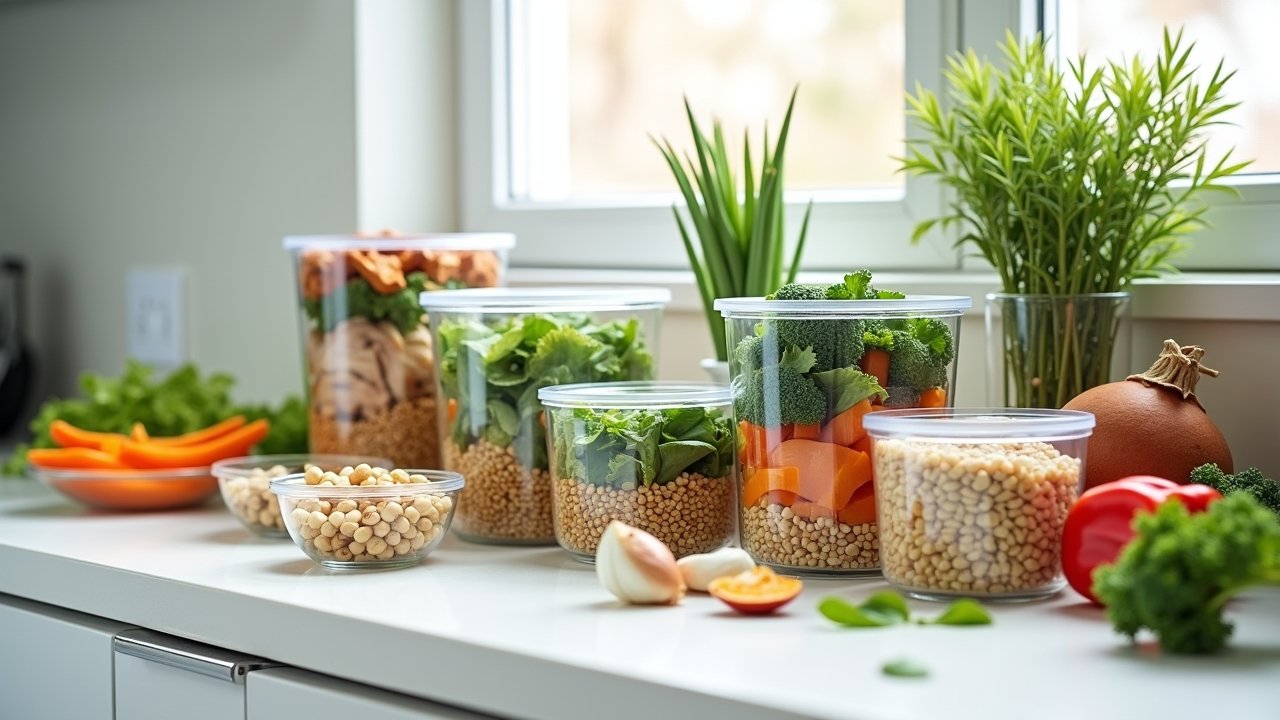
Batch cooking is basically the practice of preparing large quantities of food at one time, then storing it to eat throughout the week. Think of it like cooking once and eating multiple times. It’s not about making the same boring meal on repeat — it’s about working smarter, not harder.
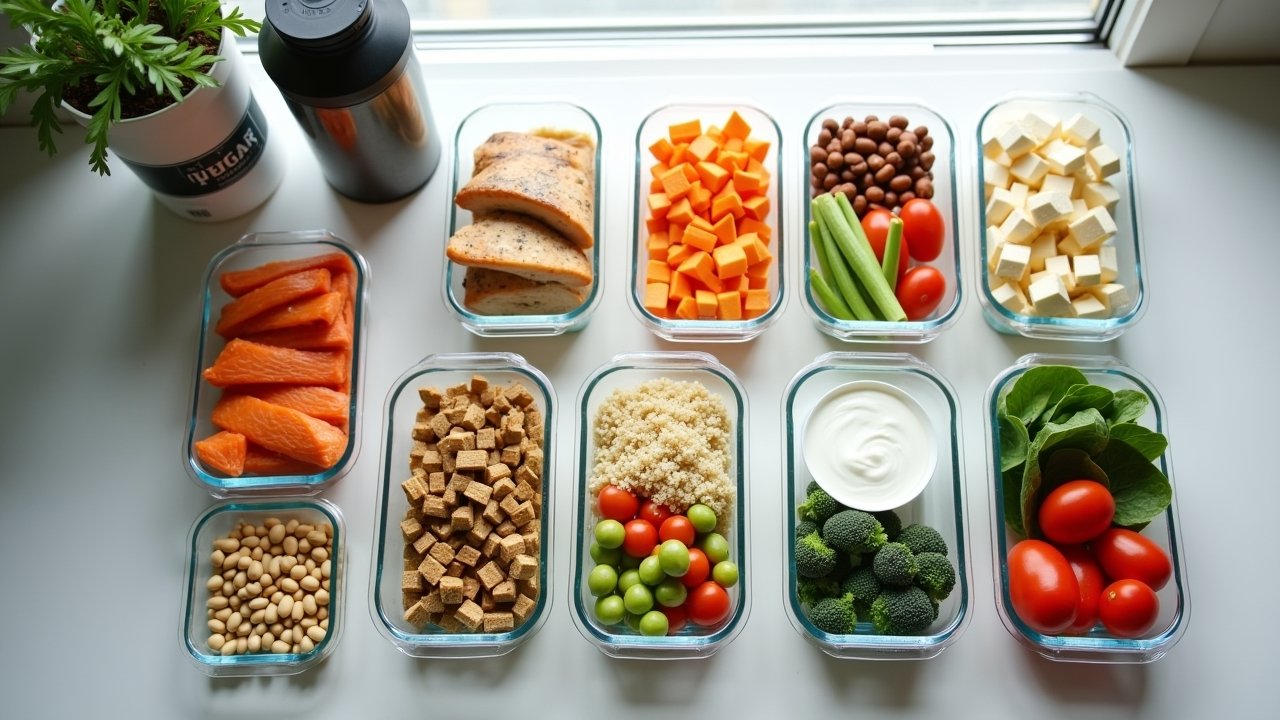
There are a few different approaches to it. Some people cook full meals in bulk. Others prep individual ingredients — like roasted veggies, cooked grains, or seasoned proteins — and mix and match them later. I personally do a combo of both, and honestly, it’s the most flexible way to go.
My First (Disastrous) Attempt at Meal Prep
Okay, full transparency — my first real batch cooking session was kind of a disaster. I decided to cook literally everything at once: chicken, rice, soup, and roasted vegetables, all on a Sunday afternoon. I ran out of containers, the rice got mushy by Tuesday, and I completely forgot to label anything. My partner opened a container thinking it was pasta sauce. It was not pasta sauce.
But here’s the thing — I learned a ton from that mess. And that’s really how it goes with meal prepping. You get better as you go.
Advertisements
The Essential Batch Cooking Basics to Get You Started
Let me break this down into the stuff that actually matters when you’re just starting out. These are the core principles I wish someone had told me way earlier.
- Plan before you cook. Seriously, don’t wing it. Spend 15 minutes deciding what you want to eat for the week. A simple weekly meal plan makes a massive difference.
- Pick versatile base ingredients. Things like brown rice, quinoa, roasted sweet potatoes, and grilled chicken can be used in dozens of different meals. Versatility is your best friend here.
- Invest in good containers. I’m talking airtight, stackable, and ideally glass. The Wirecutter has a great guide on the best food storage containers — worth a read.
- Label everything. Date it, name it, done. Future you will be so grateful.
- Cook in batches, not marathons. You don’t need to spend 5 hours in the kitchen. Two hours, max, is plenty if you’re organized.
How to Structure Your Batch Cooking Session
The key to a smooth session is working in parallel — basically, having multiple things going at once without losing your mind. Start with whatever takes the longest to cook, usually proteins or roasted vegetables. While those are in the oven, work on your stovetop items like grains or soups.
I like to put on a good playlist or a podcast while I cook — it makes the time fly by. Serious Eats has a solid beginner’s guide to structuring a prep session if you want something more detailed. It’s one of my go-to resources, honestly.
Food Safety: Don’t Skip This Part
This isn’t the glamorous part, but it matters. Cooked food should be stored in the fridge within two hours of cooking and is generally safe to eat for 3 to 4 days, according to the FDA’s food storage guidelines. Anything beyond that, freeze it.
Don’t risk it with sketchy leftovers. Food poisoning is not a fun way to learn a lesson — trust me, been there.
Your Kitchen, Your Rules
Here’s the thing about batch cooking basics — they’re a starting point, not a rigid rulebook. Maybe you’ll find that prepping just lunches works best for your lifestyle. Maybe you’ll batch cook breakfasts and keep dinners spontaneous. That’s totally fine! The whole point is to reduce stress and make your week feel more manageable, not to turn cooking into a second job.
Take what works, leave what doesn’t, and always keep food safety in mind. And if you mess up your first session like I did — laugh it off, label your containers, and try again next Sunday.
If you found this helpful, there’s a whole lot more where that came from. Head over to Reset Harbor’s blog for more practical tips on building better habits, simplifying your routine, and actually enjoying the life you’re creating. You’ll fit right in.