Advertisements
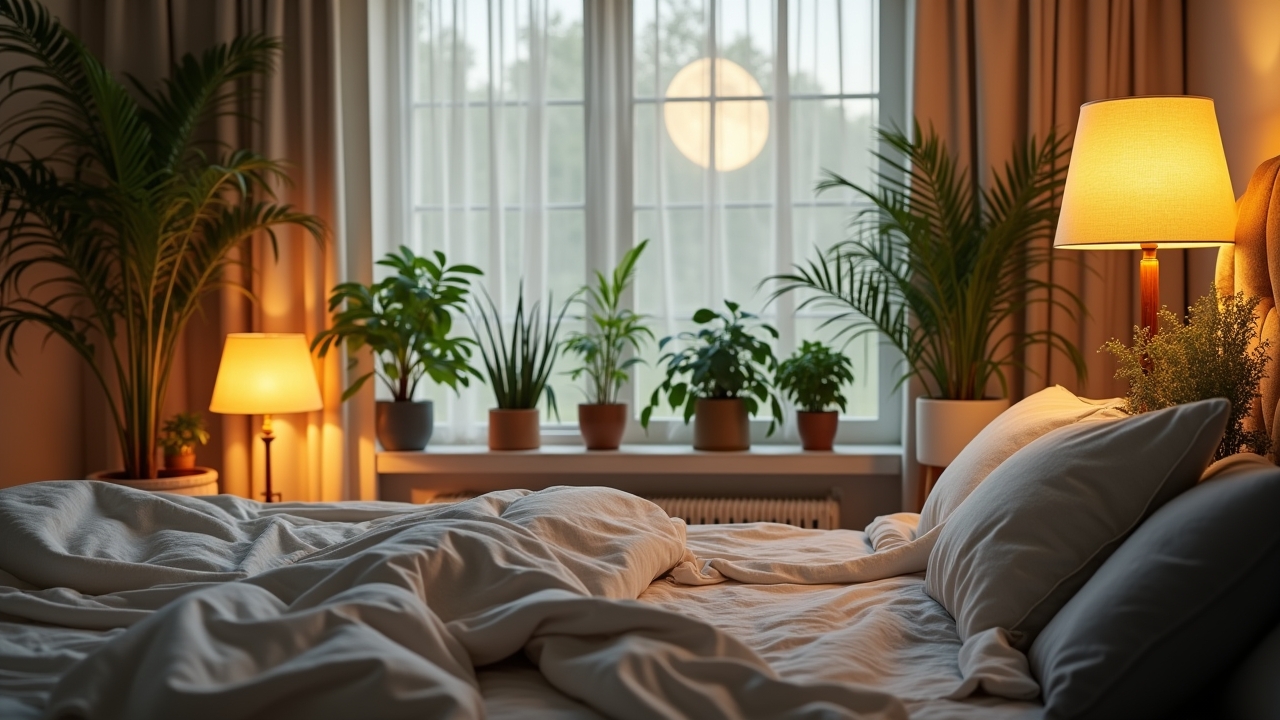
Bedroom Plants for Better Sleep: What Actually Worked for Me
Did you know that the average person spends about one-third of their life sleeping — or at least trying to? I used to be a terrible sleeper. Like, embarrassingly bad. Tossing, turning, staring at the ceiling at 2 a.m. wondering if I’d ever feel rested again. Then a friend of mine — a total plant nerd — told me to try adding some greenery to my bedroom. I honestly thought she was joking.
Spoiler: she wasn’t. And honestly? It kind of changed everything for me.
Why Bedroom Plants Can Help You Sleep Better
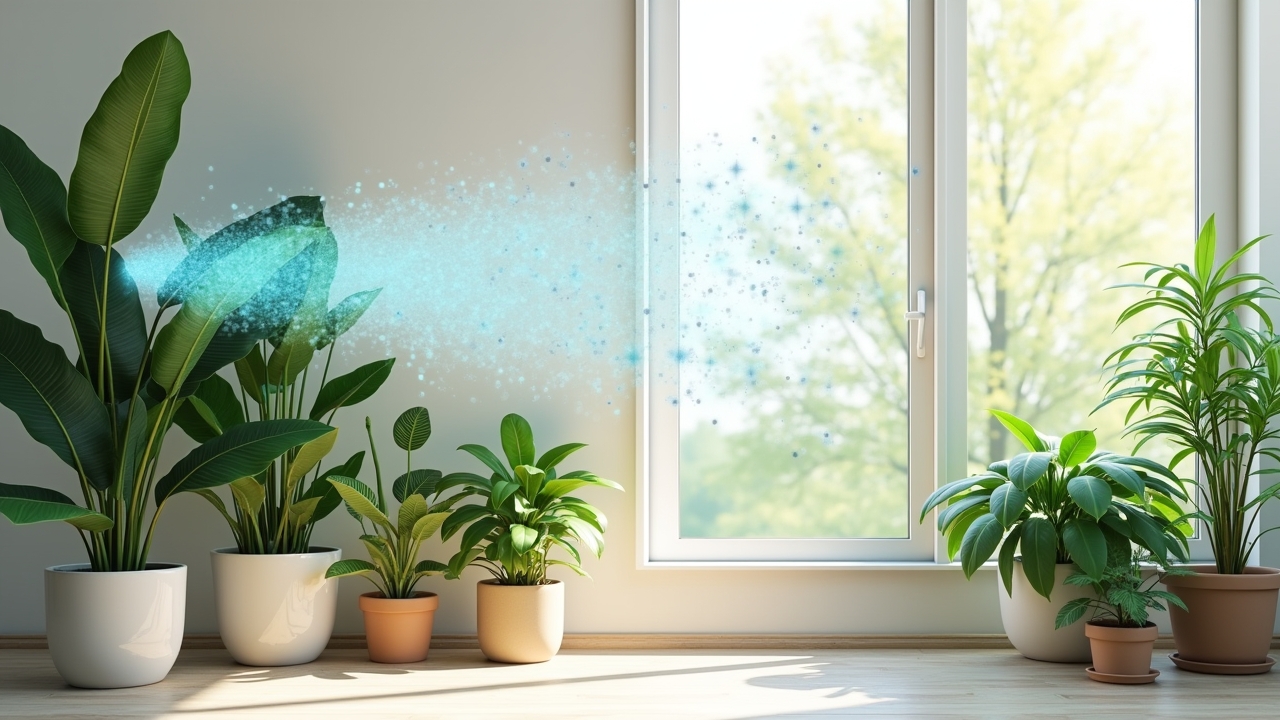
So here’s the deal. Certain plants can actually improve your indoor air quality by filtering out toxins and releasing oxygen overnight. Better air means easier breathing, and easier breathing means deeper, more restful sleep. It’s not magic — it’s just biology.
According to a famous NASA Clean Air Study, some houseplants are surprisingly effective at removing pollutants like benzene and formaldehyde from indoor air. I had no idea my bedroom air was even an issue until I started reading about it. Kind of gross when you think about it, honestly.
The Best Bedroom Plants for Sleep (From My Own Experience)
I’ve tried a bunch of different plants over the years, and not all of them were winners. Here are the ones that genuinely made a difference for me — and a couple that were total flops.
- Lavender: This one’s a classic for a reason. The scent of lavender has been shown to lower heart rate and blood pressure, which helps your body relax into sleep. I keep a small pot on my nightstand and it smells amazing. Just make sure it gets enough light during the day — I killed my first one by sticking it in a dark corner. Rookie mistake.
- Snake Plant (Sansevieria): This bad boy releases oxygen at night, which is kind of rare for plants. It’s also basically unkillable, which is perfect if you’re not exactly a plant whisperer. I’ve had mine for three years and I think I’ve watered it maybe… twelve times total.
- Peace Lily: Beautiful, low-maintenance, and great at filtering indoor air pollutants. Just a heads-up though — it’s toxic to pets, so keep that in mind if you’ve got a curious cat or dog wandering around.
- Aloe Vera: Another nighttime oxygen releaser. Plus, you’ve got built-in burn relief on your nightstand. Practical and sleep-friendly. That’s a win-win in my book.
- English Ivy: A study linked to the American College of Allergy found that English Ivy can reduce airborne mold significantly. If allergies are messing with your sleep, this one’s worth trying.
A Few Things I Wish Someone Had Told Me First
Look, I went a little overboard when I first started. I crammed like eight plants into my small bedroom thinking more was better. It was not better. It felt like sleeping in a jungle and I kept knocking things over at night.
Advertisements
Start small. Two or three plants is honestly plenty for an average-sized bedroom. Also, make sure you’re not accidentally creating humidity issues — some plants release a lot of moisture, which can encourage mold growth if your room isn’t well-ventilated. Not exactly the vibe you’re going for when you’re trying to sleep better.
Also, always double-check if a plant is safe for kids or pets before bringing it indoors. The ASPCA has a great toxic plant list that I refer to all the time. Super useful resource.
How Long Before You Notice a Difference?
Honestly, it took me about two weeks before I noticed I was sleeping more soundly. It wasn’t some overnight miracle — more like a gradual shift. Less waking up in the middle of the night, waking up feeling slightly less like a zombie. That counts for a lot when you’re sleep-deprived.
Your results might be different depending on your room size, air quality, and which plants you choose. That’s totally fine — this is one of those things worth experimenting with until you find what clicks for you.
Sweet Dreams Start With Small Changes
If you’re struggling with sleep, adding a bedroom plant or two is one of the easiest, most affordable things you can try. It won’t replace good sleep hygiene or a consistent schedule, but it can be a genuinely helpful piece of the puzzle. And honestly, having something green and living in your room just feels good — there’s something calming about it that’s hard to put into words.
Just remember to choose plants that are safe for everyone in your home, keep your room ventilated, and don’t go overboard like I did. Start simple, see how it goes, and adjust from there.
If you’re into this kind of stuff — small, practical changes that actually make life better — you’re going to love what else we’ve got over at Reset Harbor. We write about wellness, rest, and finding balance in everyday life. Come hang out with us there.