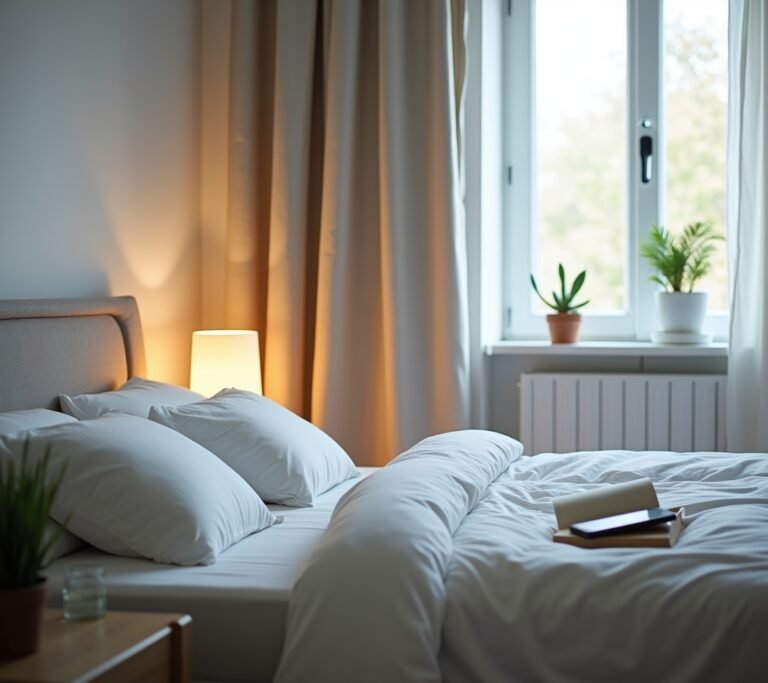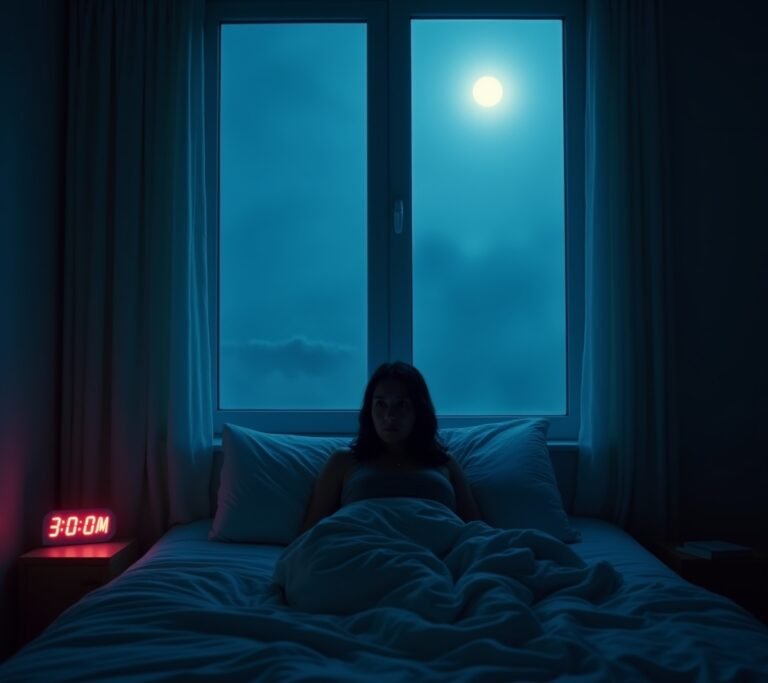
Sleep Environment Setup: How I Finally Stopped Tossing and Turning at 2 AM

Advertisements
Here’s a stat that honestly blew my mind — the CDC reports that roughly 1 in 3 American adults don’t get enough sleep. I was absolutely one of those people for years. It wasn’t until I completely overhauled my sleep environment setup that things finally clicked, and I started waking up feeling like an actual human being instead of a zombie on autopilot!
The truth is, most of us focus on fancy supplements or sleep apps when the real game-changer is sitting right in front of us — the bedroom itself. So let me walk you through everything I learned the hard way about creating a space that practically forces your body to drift off.
Temperature: The Silent Sleep Killer
I used to keep my bedroom at like 74°F because I hate being cold. Turns out, that was a terrible idea. The Sleep Foundation recommends a bedroom temperature between 60–67°F for optimal rest, and honestly, dropping my thermostat was the single biggest improvement I made.
Your core body temperature naturally dips at night to signal sleepiness. When your room is too warm, your body fights that natural cooling process, and you end up tossing around with one leg stuck out from under the covers — we’ve all been there.
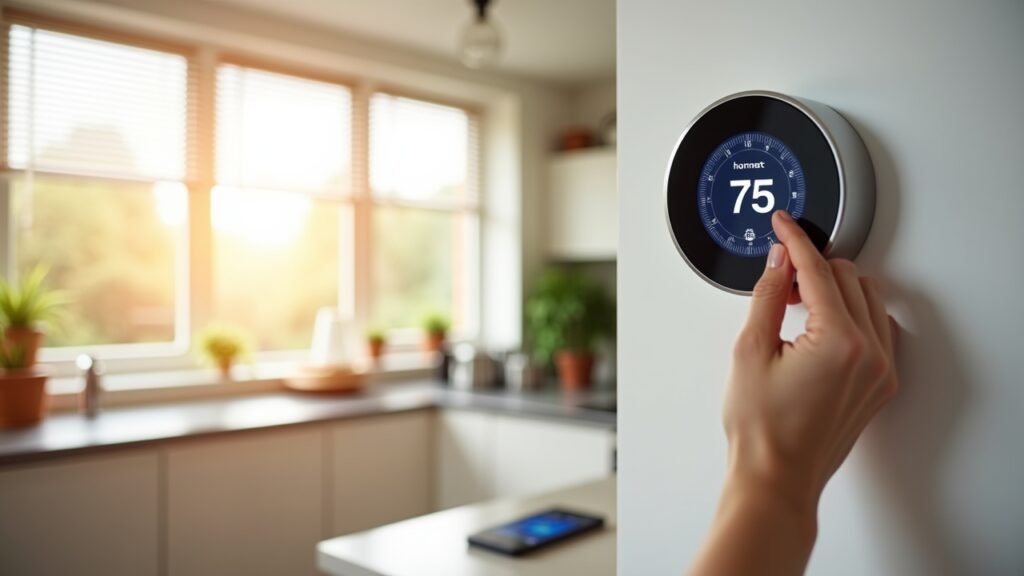
I invested in a simple programmable thermostat that automatically lowers the temp about 30 minutes before bedtime. Game changer. If that’s not an option for you, even a basic fan providing airflow circulation can make a huge difference.
Darkness Matters More Than You Think
Okay, this one was embarrassing. For the longest time I had these thin, decorative curtains that let in streetlight glow and early morning sun. I kept wondering why I was waking up at 5 AM on weekends feeling groggy and annoyed.
Light exposure suppresses melatonin production, which is the hormone that tells your brain it’s time to sleep. Even small amounts of ambient light — from a phone charger LED, an alarm clock display, whatever — can mess with your sleep quality. I finally caved and bought blackout curtains, and it was like somebody flipped a switch in my brain.
One little trick I picked up: I put a strip of electrical tape over every tiny light source in the room. The router light, the power strip indicator, all of it. My bedroom is now basically a cave at night, and I wouldn’t have it any other way.
Noise Control: Finding Your Sweet Spot
Some people need dead silence. I am not one of those people. Complete quiet actually makes me more anxious because then I hear every creak in the house, every car driving by, every weird sound my cat makes at 3 AM.
White noise machines were a revelation for me. They create a consistent sound blanket that masks those random noises that jolt you awake. I started with a cheap app on my phone, but eventually grabbed a dedicated machine because having your phone nearby is, well, its own problem.
If white noise isn’t your thing, some folks swear by pink noise or brown noise for deeper sleep. Experiment a little and find what works for your brain.
Your Mattress and Bedding Setup
Look, I slept on a mattress I’d had since college for way too long. We’re talking like 12 years on something that was sagging in the middle and offered zero support. My back was killing me every morning and I just blamed it on “getting older.”
A quality mattress suited to your sleep position is non-negotiable. Side sleepers generally need something softer for pressure relief, while back sleepers usually benefit from medium-firm support. The Mayo Clinic has great guidance on sleep positions and spinal alignment if you’re unsure where you fall.
Advertisements
Also — breathable bedding materials like cotton or bamboo sheets help with temperature regulation throughout the night. Those polyester sheets I used to buy because they were cheap? Yeah, they were basically trapping heat like a greenhouse.
Your Bedroom Is Not Your Office
This one hurt to accept, especially after working from home became normal. But keeping laptops, work papers, and even your phone out of the sleep space trains your brain to associate the bedroom strictly with rest. It’s called stimulus control, and it actually works.
Make It Your Own Little Reset
Here’s the thing — there’s no one-size-fits-all perfect sleep environment setup. What works for me might drive you nuts. The key is to start experimenting with temperature, light, sound, and bedding, then adjust based on how you actually feel each morning.
Don’t ignore safety basics either — make sure smoke detectors work, keep pathways clear for nighttime bathroom trips, and ensure good ventilation. Small stuff that matters more than people realize.
If you found this helpful, I’d love for you to explore more tips over at the Reset Harbor blog — we’ve got a bunch of articles on building better daily habits that honestly make life feel a whole lot easier!