Advertisements
Egg Meal Prep Ideas That Actually Make Your Week Easier
Did you know that eggs are one of the most nutrient-dense foods on the planet, packing about 6 grams of protein per egg? I didn’t really appreciate that until I started meal prepping seriously a couple of years ago. Honestly, eggs changed my whole weekly routine — and I think they can change yours too!
I’ll be real with you. My first attempt at egg meal prep was a disaster. I hard-boiled like 18 eggs on a Sunday night, shoved them in the fridge without thinking, and by Wednesday they smelled… questionable. Live and learn, right? Since then, I’ve figured out some solid systems that actually work, and I’m pumped to share them with you.
Why Eggs Are a Meal Prep MVP
Eggs are cheap, versatile, and loaded with nutrients like choline, vitamin D, and healthy fats. They work for breakfast, lunch, dinner, or even a snack. That’s honestly hard to beat when you’re trying to eat well without spending a fortune.
According to the Healthline nutrition team, eggs contain almost every essential nutrient your body needs. So yeah, leaning on eggs during your meal prep week is a pretty smart move nutritionally speaking.
Hard-Boiled Eggs: The Classic Starting Point
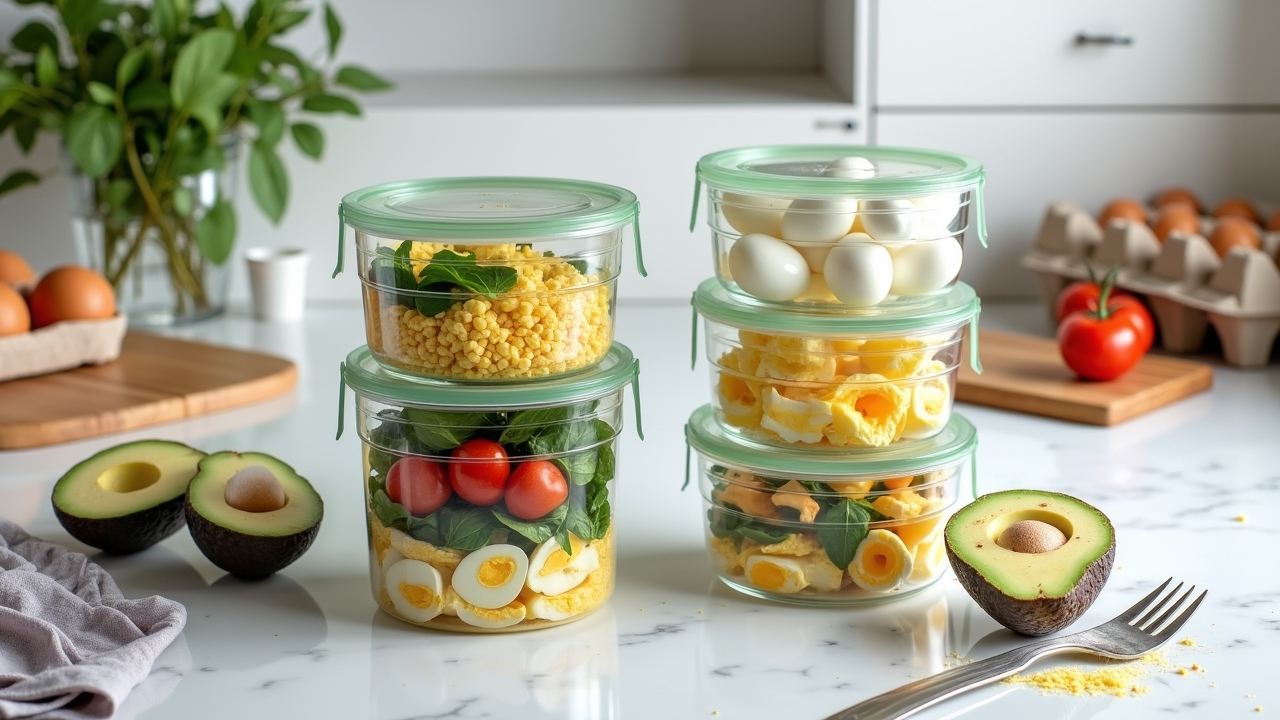
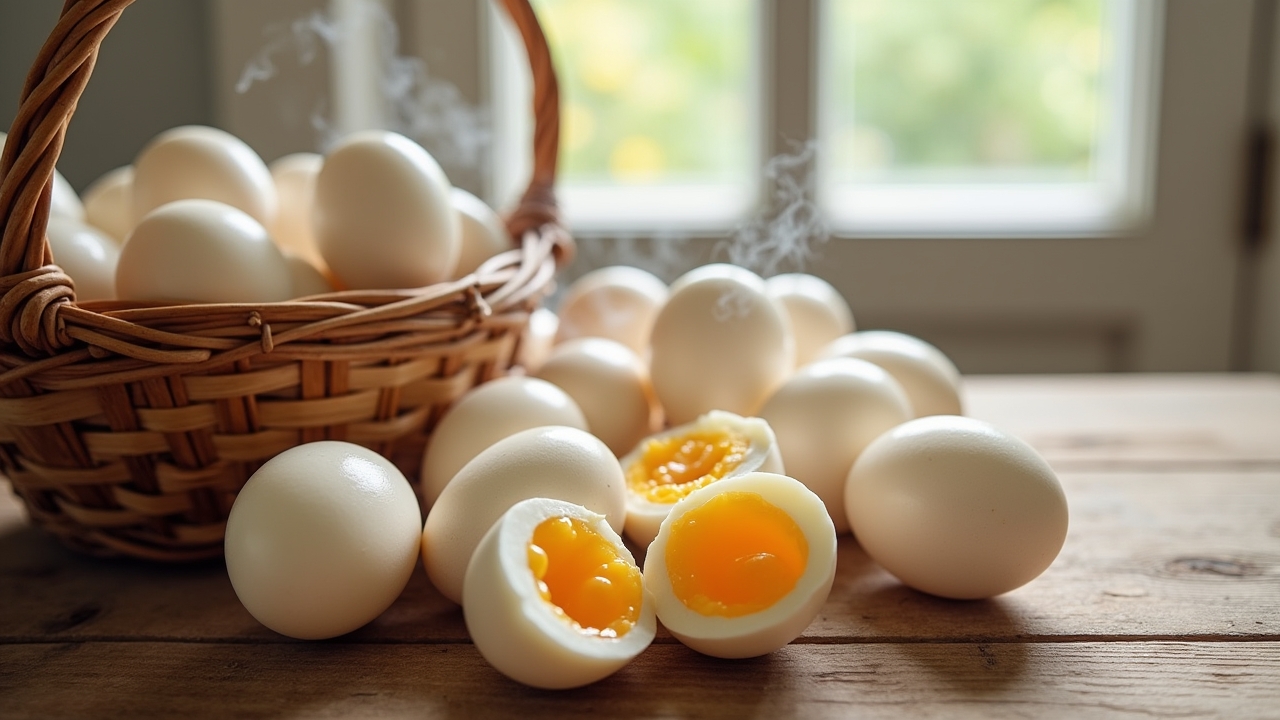
Let’s start with the obvious one. Hard-boiled eggs are a meal prep staple for good reason — they’re easy, portable, and last up to one week in the fridge when stored properly. I always make a batch of 10 to 12 on Sundays.
The trick I learned the hard way? Don’t peel them until you’re ready to eat. Keeping the shell on helps them stay fresh longer. If you want a foolproof method, check out this guide from the American Egg Board — it’s legit and super simple to follow.
Advertisements
- Store unpeeled hard-boiled eggs in an airtight container
- Keep them in the coldest part of your fridge
- Use them in salads, grain bowls, or just as a quick protein snack
Egg Muffins: My Personal Favorite
Okay, this is where things get fun. Egg muffins — sometimes called egg cups — are basically mini frittatas baked in a muffin tin. I make these almost every single week, and my kids actually beg for them. That felt like a huge win the first time it happened.
The formula is simple: whisk eggs, add your mix-ins, pour into a greased muffin tin, and bake at 350°F for about 20 minutes. Mix-ins can be anything — spinach, diced peppers, cheese, turkey sausage, mushrooms. You get the idea. The customization factor here is off the charts.
- Make 12 at a time for a full week of breakfasts
- Store in an airtight container for up to 4 days in the fridge
- Reheat in the microwave for about 45 seconds
- Freeze extras for up to 3 months
Scrambled Eggs for Meal Prep? Yes, Really.
I know what you’re thinking — reheated scrambled eggs sound terrible. And honestly, I thought the same thing. But here’s the deal: if you slightly undercook them, they reheat really well without getting rubbery.
Batch-cooked scrambled eggs work great in breakfast burritos, rice bowls, or stuffed into a whole wheat pita with veggies. Just slightly underdone scrambled eggs, wrapped in foil burritos, frozen, and reheated through the week. Game changer, for real.
Sheet Pan Eggs for Crowd-Sized Prep
If you’re feeding a family or just want to prep a LOT at once, sheet pan eggs are your best friend. You pour whisked eggs onto a greased, rimmed baking sheet with your toppings, bake at 375°F for about 15 minutes, and then slice into squares. Super easy and honestly kind of genius.
Think of it like a giant egg bake you can slice and portion throughout the week. This method is especially great for high-protein meal prep because you can knock out 8 to 10 servings in one shot. Serious Eats has a solid breakdown of technique if you want to level up your sheet pan game.
Eggs Deserve a Spot in Your Weekly Routine
Look, if there’s one thing I want you to take away from all this, it’s that egg meal prep ideas don’t have to be complicated or boring. A little planning on Sunday can seriously save your weekday mornings, keep your nutrition on track, and save you money at the same time.
Just make sure you’re storing everything safely — cooked eggs should never sit out more than two hours, and always keep your fridge at or below 40°F. Food safety is no joke, and it’s worth being a little careful about.
Feel free to mix and match these ideas based on what you like and what fits your schedule. There’s no one-size-fits-all approach here — make it your own! And if you’re hungry for more practical tips like these, head over to Reset Harbor — there’s a whole collection of posts there to help you build healthier, simpler habits every week.