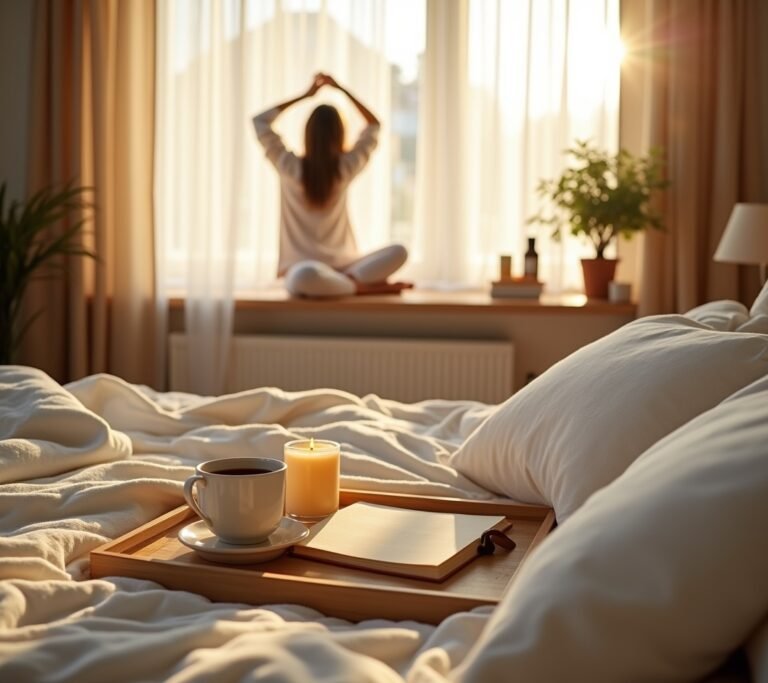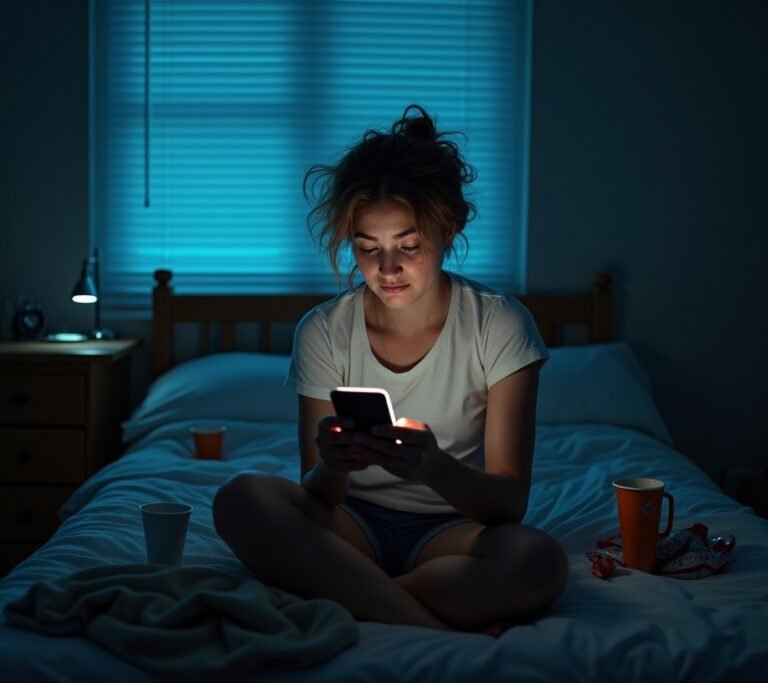
Evening Wind Down Routine: How I Finally Stopped Staring at the Ceiling at 2 AM

Advertisements
Here’s a wild stat for you: roughly 70 million Americans struggle with sleep disorders, and I was definitely one of them. For years, I’d crawl into bed exhausted, only to find my brain suddenly wanted to replay every awkward conversation I’d had since middle school. Sound familiar?
Look, developing an evening wind down routine literally changed my life. I’m not being dramatic here! When I finally committed to a proper nighttime relaxation ritual, everything shifted—my mood, my productivity, even my relationships got better.
Why Your Body Actually Needs a Wind Down Routine
So here’s the thing I learned the hard way. Your body isn’t a light switch that just flips off. It’s more like a dimmer that needs gradual adjustment. When I was younger, I’d go from doom-scrolling on my phone to expecting instant sleep. Spoiler alert: that approach was garbage.
Your circadian rhythm needs signals that bedtime is approaching. The Sleep Foundation explains this way better than I can, but basically your body releases melatonin when it gets the right cues. Without those cues? You’re basically fighting your own biology.
My Personal Evening Routine (Mistakes and All)
I’ll be honest—my first attempts at creating a bedtime routine were pretty laughable. I tried doing intense yoga at 10 PM once and wondered why I felt more awake afterwards. Live and learn, right?
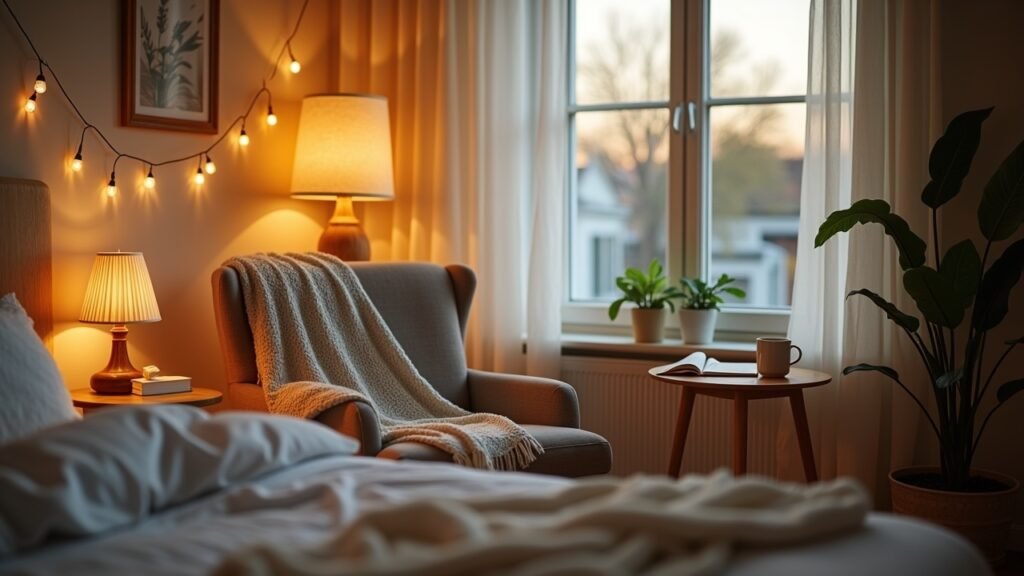
Now my pre-sleep ritual starts about 90 minutes before bed. I dim the lights throughout my apartment first. Then I put my phone in another room entirely because I have zero self-control otherwise.
The Screen Time Struggle
This was honestly the hardest part for me. I’d tell myself “just five more minutes” of scrolling, and suddenly an hour had vanished. Blue light from devices messes with melatonin production something fierce. The Harvard Health folks have a ton of research on this.
My compromise? I switched to reading actual paper books before bed. Revolutionary, I know. Sometimes I’ll listen to a calming podcast instead, but nothing too stimulating.
Creating a Calming Environment
Temperature matters way more than I realized! I used to keep my bedroom like a sauna because I hate being cold. But cooler temperatures actually promote better sleep. Now I keep things around 65-68 degrees, which felt wrong at first but made a huge difference.
I also invested in blackout curtains after reading about sleep hygiene basics. Game changer, honestly. And I started using a lavender pillow spray that my sister swore by—I was skeptical but the relaxation benefits are real.
Simple Practices That Actually Work
Here are some evening relaxation techniques that became non-negotiables for me:
Gentle stretching for about 10 minutes—nothing intense, just releasing tension from the day
Writing in a gratitude journal (sounds cheesy but quiets the racing thoughts)
Making herbal tea—chamomile is my go-to for unwinding
Taking a warm bath or shower about an hour before bed
The warm bath thing seemed counterintuitive to me since I mentioned keeping things cool. But apparently the rapid cooling of your body afterwards signals sleepiness. Science is weird sometimes.
Dealing with Anxiety Before Bed
If you’re like me and your brain loves to catastrophize at night, I found that doing a “brain dump” helps enormously. Just write down everything you’re worried about or need to do tomorrow. Getting it out of your head and onto paper removes some of its power.
Advertisements
Deep breathing exercises were also instrumental in my journey. I use the 4-7-8 technique most nights—breathe in for 4 counts, hold for 7, exhale for 8. It feels silly at first but genuinely helps activate your parasympathetic nervous system.
Making It Your Own
Here’s what I want you to take away from all this rambling: there’s no perfect wind down routine that works for everyone. My sister meditates for 20 minutes every night; I fall asleep trying to do that. Some people love sleep podcasts while others need complete silence.
Experiment with different stress relief activities and pay attention to what actually helps YOU sleep better. Track your sleep quality for a few weeks as you try different approaches. Be patient with yourself—building new habits takes time and consistency.
Whatever you do, please don’t expect overnight miracles. And always consult a doctor if you’re dealing with serious sleep issues, okay? This isn’t medical advice, just one person sharing what worked for them.
Want more tips on building healthy habits and finding your balance? Head over to Reset Harbor where we’re all about helping you create sustainable routines that actually stick. Sweet dreams, friends!