
The Ultimate Foam Rolling Guide: What I Wish Someone Told Me Years Ago

Advertisements
Here’s a stat that honestly blew my mind — nearly 92% of athletes who foam roll consistently report improved range of motion within just two weeks. Two weeks! I stumbled into foam rolling about six years ago after a brutal half-marathon left my IT band screaming at me, and honestly, it changed the whole game for my recovery routine.
Whether you’re a weekend warrior or someone who just sits at a desk all day, this foam rolling guide is gonna save you a lot of pain. And probably some money on massage therapists too. Trust me on that one.
What Even Is Foam Rolling and Why Should You Care?
Foam rolling is basically a form of self-myofascial release — fancy talk for giving yourself a deep tissue massage using a cylindrical piece of foam. The idea is that you use your own body weight to apply pressure to tight spots and muscle knots. It’s been used by physical therapists and athletic trainers for decades, but it’s really blown up in the mainstream fitness world over the last few years.
When I first tried it, I grabbed a random foam roller from the gym and just kind of… rolled around on the floor like a confused seal. Nobody told me there was actually a technique to this stuff. So yeah, let me spare you that embarrassment.
Choosing the Right Foam Roller
Not all foam rollers are created equal, and this is where I made my first real mistake. I bought the hardest, most aggressive textured roller I could find because I figured more pressure equals better results. Wrong. I was so sore the next day I could barely walk down stairs.
Here’s a quick breakdown of what’s out there:
- Soft density rollers — Perfect for beginners and people with sensitive muscles. Start here, seriously.
- Medium density rollers — The sweet spot for most people who’ve been rolling for a few weeks.
- Firm/textured rollers — For experienced folks who need deeper pressure on stubborn trigger points.
- Vibrating foam rollers — A newer option that combines vibration therapy with rolling. They’re pricey but kinda amazing.
The folks at Healthline have a great visual breakdown if you need help picking one out. I’d honestly recommend starting with a medium density smooth roller — you can always level up later.
How to Actually Foam Roll (Without Hurting Yourself)
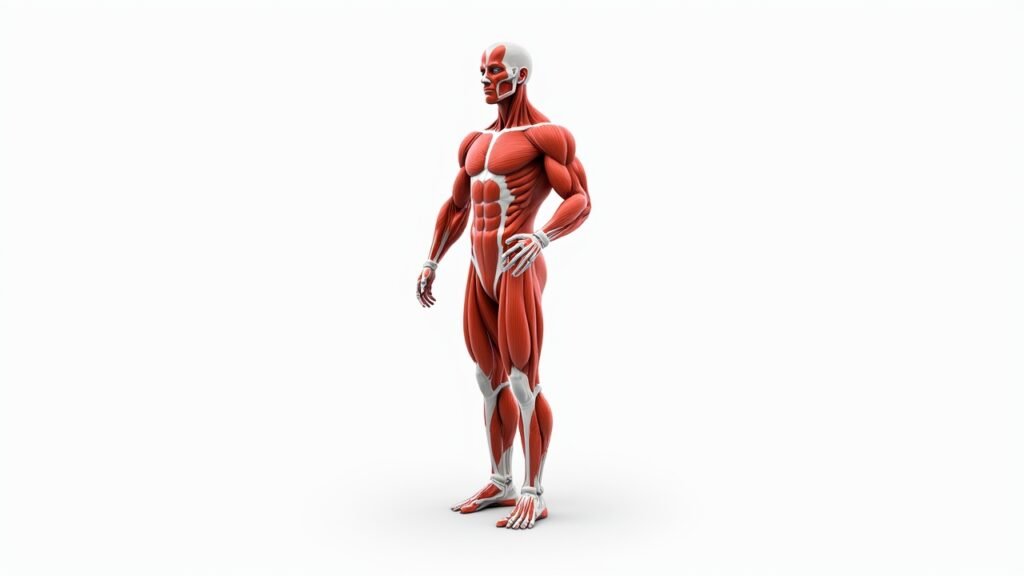
Okay so here’s where the rubber meets the road. Or I guess where the foam meets the floor. The basic technique is pretty straightforward, but there’s some nuances that took me way too long to figure out.
Place the foam roller under the muscle group you want to target and use your body weight to slowly roll back and forth. When you hit a tender spot — and oh, you’ll know when you hit one — pause there for about 20 to 30 seconds. The pressure should feel like a “good hurt,” not like you’re being tortured.
A few rules I live by now:
- Never roll directly over joints or bones. That’s just asking for trouble.
- Avoid rolling your lower back — use a lacrosse ball for that area instead.
- Roll slowly. Like, way slower than you think. About one inch per second is ideal.
- Breathe through it. I used to hold my breath every time which just made everything tighter.
- Spend about 1-2 minutes per muscle group, as recommended by the American Council on Exercise.
Best Muscle Groups to Target
My personal go-to routine hits the calves, quads, hamstrings, glutes, and upper back. These are the areas where most people carry tension, especially if you’re sitting for long hours. I also love rolling out my thoracic spine after a long day of grading papers — it’s basically a reset button for my posture.
The hip flexors are another area that’s criminally overlooked. After I started incorporating hip flexor rolling into my routine, my chronic lower back pain basically disappeared. It was one of those triumph moments where I literally said “where have you been all my life” to a piece of foam.
Your Body Will Thank You Later
Look, foam rolling isn’t glamorous and it definitely won’t be comfortable at first. But consistent myofascial release can improve your flexibility, reduce muscle soreness, and speed up recovery in ways that genuinely surprised me. Just remember to start gentle, listen to your body, and don’t skip the spots that hurt the most — those are usually the ones that need it.
Advertisements
Everyone’s body is different, so customize this guide to fit what feels right for you. And if something feels sharp or nerve-y, stop immediately and check with a professional. For more recovery tips and wellness guides, come hang out with us over at Reset Harbor — we’ve got plenty more where this came from!