Advertisements
The Stress and Sleep Connection: Why You Can’t Rest When Your Mind Won’t Quit
Did you know that around 43% of adults say stress has caused them to lie awake at night in the past month? Yeah, that tracks. I’ve been there more times than I can count — staring at the ceiling at 2 a.m., mentally replaying an awkward conversation from three years ago like it’s a Netflix series I can’t turn off.
The stress and sleep connection is real, and it’s one of those things that can quietly wreck your health if you’re not paying attention. So let’s talk about it — like two people who’ve both had one too many sleepless nights and are finally ready to figure out what the heck is going on.
How Stress Physically Messes With Your Sleep
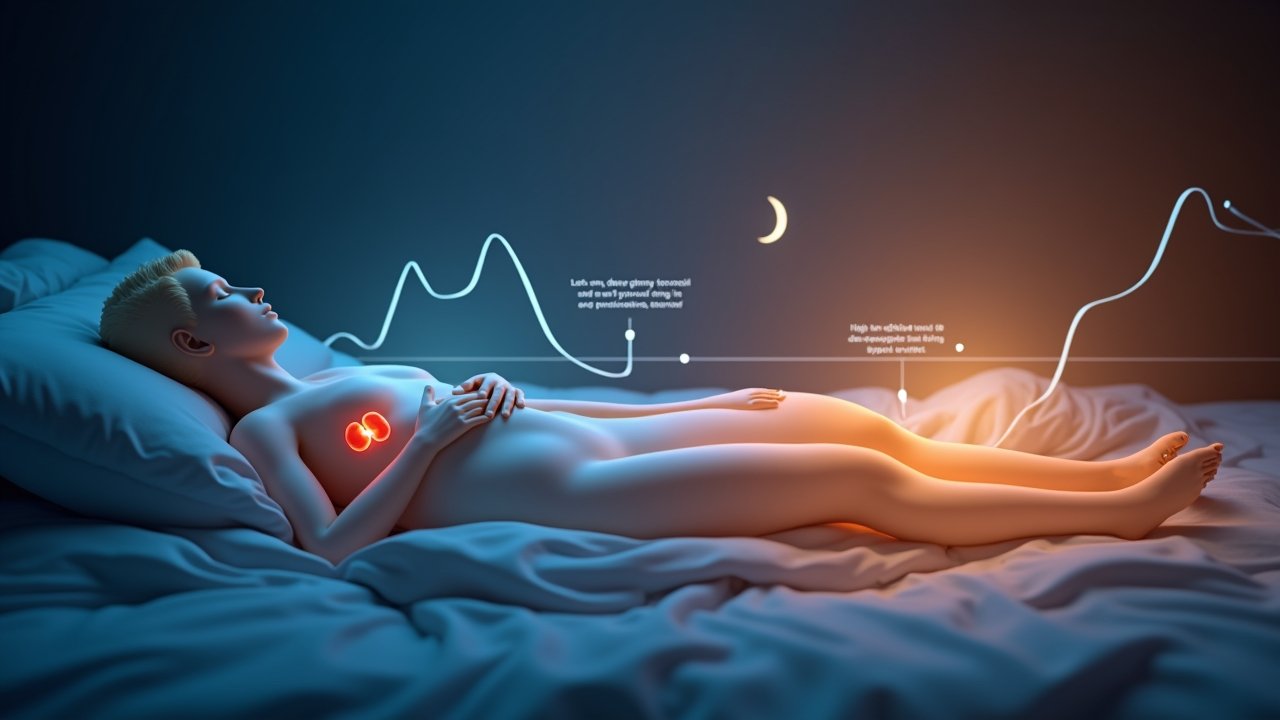
Here’s the thing most people don’t realize: stress isn’t just a feeling. It’s a full-on physical response. When you’re stressed, your body releases cortisol, which is basically your body’s built-in alarm system. And cortisol? It does not care that it’s midnight.
Elevated cortisol levels keep your brain in a sort of “stay alert” mode, making it nearly impossible to fall into deep, restorative sleep. I learned this the hard way during a particularly rough school year — I was waking up at 4 a.m. every single day, heart racing, already thinking about my to-do list. It was exhausting in the most ironic way possible.
Chronic stress also messes with your sleep cycles, specifically reducing the amount of REM sleep you get. Less REM means less emotional processing, which — surprise — makes you even more stressed the next day. It’s a brutal little loop.
The Vicious Cycle: Poor Sleep Makes Stress Worse
Here’s where it gets really frustrating. Not sleeping well doesn’t just leave you tired — it actually amplifies your stress response. Like, your brain becomes more reactive to threats when it’s sleep-deprived. Small problems start feeling like emergencies.
Advertisements
I remember snapping at a student once over something totally minor, and I genuinely couldn’t understand why I was so on edge. Turns out I’d slept maybe four hours the night before. My emotional regulation was basically gone. It’s not an excuse, but it was definitely a wake-up call (pun intended).
According to research published in the journal Sleep, sleep deprivation significantly increases emotional reactivity and perceived stress levels. So yeah — the science backs up what a lot of us feel in our bones.
Practical Things That Actually Helped Me Break the Cycle
Okay, so this is the part I wish someone had told me sooner. Breaking the stress-sleep cycle is possible, but it takes a little strategy. Here are some things that genuinely worked for me:
- A wind-down routine: I started doing 10 minutes of light stretching and journaling before bed. Nothing fancy — just brain dumping whatever was on my mind onto paper. It’s like clearing your browser tabs before shutdown.
- Limiting news and screens at night: This one was hard, not gonna lie. But cutting screen time an hour before bed made a noticeable difference within a week.
- Breathing exercises: The 4-7-8 breathing technique sounds a little woo-woo, but it genuinely helps slow down your nervous system. I use it when my brain won’t shut up.
- Consistent sleep schedule: Going to bed and waking up at the same time every day — even weekends — helped regulate my body clock more than anything else.
- Talking to someone: Whether it’s a therapist, a friend, or even a journaling habit, processing stress out loud (or on paper) keeps it from piling up at bedtime.
When to Take It More Seriously
If you’ve tried the basics and you’re still struggling with chronic sleep problems tied to stress, it might be time to talk to a doctor or mental health professional. Conditions like anxiety disorders or adrenal dysfunction can be at the root of the problem, and those really do need professional support. There’s no shame in asking for help — honestly, it’s the smart move.
Your Sleep Is Worth Protecting
The stress and sleep connection isn’t just an interesting topic — it’s something that affects your mood, your health, your relationships, and your ability to function like a normal human being. Understanding how they feed into each other is the first step toward actually doing something about it.
Take what works for you here and make it your own. Everyone’s stress looks different, and so does everyone’s sleep. Just don’t ignore the signs — your body is usually trying to tell you something important.
If you found this helpful, there’s a lot more where this came from. Head over to Reset Harbor’s blog for more articles on managing stress, improving sleep, and building healthier daily habits. You deserve to feel rested — let’s figure it out together.