
Advertisements
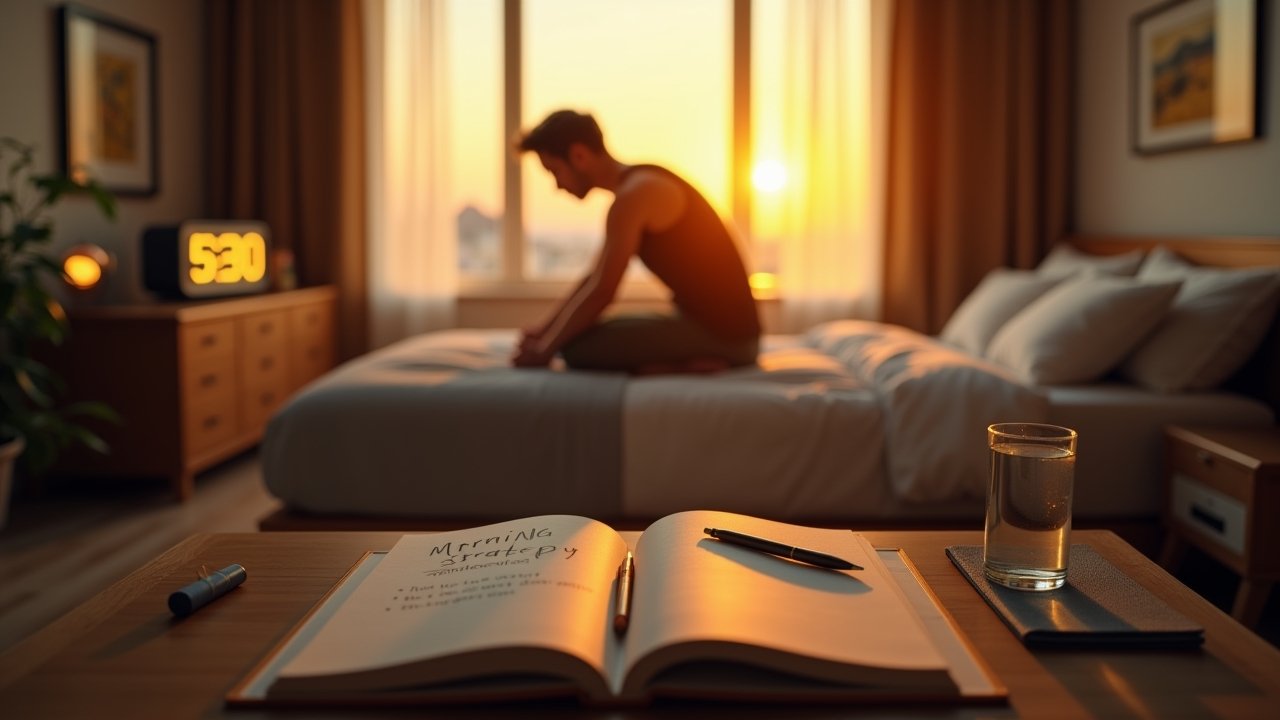
Stop Hitting Snooze: How I Finally Broke the Habit That Was Ruining My Mornings
Here’s a stat that honestly blew my mind — the average person hits the snooze button about three times every morning. That’s roughly 27 extra minutes of terrible, fragmented sleep that does absolutely nothing for you! I used to be way worse than that, honestly. I was a five-snooze kind of person, and it was wrecking my entire day before it even started.
Learning to stop hitting snooze was one of those small changes that ended up shifting everything. My mood improved, my productivity went up, and I stopped feeling like a zombie until noon. So let me walk you through what actually worked for me, because the generic advice out there? Most of it is garbage.
Why Snoozing Is Actually Making You More Tired
Okay, so I always thought those extra nine minutes were a gift. Turns out, they’re basically sabotage. When you fall back asleep after your alarm, your brain starts a new sleep cycle that it can’t finish, and that’s what causes that groggy, confused feeling called sleep inertia.
I remember reading about this and being lowkey annoyed because I’d been doing it to myself for years. The snooze button doesn’t give you rest — it confuses your body’s internal clock. Your circadian rhythm gets all messed up, and your brain literally doesn’t know if it’s supposed to be awake or asleep.
The Alarm Clock Trick That Changed Everything for Me
So here’s what finally worked. I moved my phone across the room. Revolutionary, right? But seriously, it forced me to physically get out of bed, and once I was standing up, the battle was mostly won.
I also switched from that awful default alarm tone to something gentler. There’s apps like Alarmy that make you solve a math problem or scan a barcode before the alarm shuts off. I used the barcode feature and taped a barcode to my bathroom mirror — so I literally had to walk to the bathroom to turn it off. Genius? Maybe. Annoying? Absolutely. But it worked.
Advertisements
Fix Your Night to Fix Your Morning
Here’s the thing nobody wants to hear — if you can’t stop hitting snooze, the problem probably isn’t your morning routine. It’s your nighttime routine. I was staying up until midnight scrolling through my phone and then wondering why 6 AM felt like torture.
I started setting a bedtime alarm too. Yeah, an alarm to go to sleep. I aimed for seven to eight hours of actual sleep, and within about a week, waking up got dramatically easier. Cutting out caffeine after 2 PM was another game-changer, even though I fought that one hard.
Blue light from screens was also wrecking my sleep quality without me even realizing it. I started putting my phone down 30 minutes before bed and reading an actual paper book instead. Felt very old-school, but my sleep got so much deeper.
Build a Morning Worth Waking Up For
This one sounds cheesy but hear me out. Part of why I kept snoozing was because I had nothing to look forward to in the morning. It was just… obligations. Rushed coffee, stressful commute, the whole thing.
So I started building in something I actually enjoyed. For me, that was 15 minutes of coffee on the porch with zero phone time. Some people do a quick workout or journal — whatever floats your boat. The point is, your brain needs a reason to want to be awake. When mornings feel like a punishment, of course you’re gonna keep hitting that button.
What Happens When You Actually Commit
I won’t lie and say it was easy right away. The first three or four days were rough, and I was grumpy about it. But by the end of the second week, I was waking up naturally a few minutes before my alarm. That had literally never happened to me in my adult life.
My energy levels throughout the day were more consistent. I stopped needing that second (okay, third) cup of coffee by afternoon. And weirdly enough, I started sleeping better at night too because my wake-up time was finally consistent.
Your Mornings Are Waiting
Look, breaking the snooze habit isn’t about willpower or being a “morning person.” It’s about setting yourself up so the choice becomes easier. Move the alarm, fix your bedtime, give yourself something worth waking up for. Experiment and find what clicks for you specifically, because we’re all wired a little differently.
If you found this helpful, there’s plenty more where it came from. Head over to Reset Harbor and check out our other posts on building better daily habits — your future well-rested self will thank you!