Advertisements
Meal Prep for One: How I Stopped Wasting Food and Started Eating Better
Did you know that the average single-person household wastes nearly nearly 40% of the food they buy? Yeah, I was absolutely part of that statistic. Cooking for one feels like a puzzle nobody teaches you how to solve — and honestly, I spent way too many nights eating sad cereal for dinner because I just couldn’t figure it out!
But here’s the thing: meal prep for one doesn’t have to be complicated or boring. Once I got the hang of it, my whole week changed. Less stress, less waste, and way better food. Let me walk you through what actually worked for me.
Why Meal Prepping Solo Is Actually a Game-Changer
When I first started living alone, I’d buy a full head of broccoli, use like three florets, and watch the rest slowly die in my fridge. Classic mistake. Single-serving meal prep fixes that by helping you plan exactly what you need — no more, no less.
It also saves serious money. According to Forbes, the average American spends over $300 a month on groceries alone. When you meal prep strategically, that number can drop significantly. Plus, you’re not throwing cash in the trash every week.
Start With a Simple Weekly Meal Plan
I know “meal planning” sounds super official and boring, but stay with me. All it really means is taking 15 minutes on Sunday to think about what you want to eat that week. That’s it. I grab a coffee, open my notes app, and just jot down five dinners and a few lunches.
The trick I learned the hard way? Pick recipes that share ingredients. If I’m buying spinach for a salad, I’ll also use it in an omelette or a pasta. That way, nothing gets wasted and I’m not buying fifteen different things. Budget Bytes has some fantastic budget-friendly ideas specifically designed for solo cooking, by the way.
Advertisements
The Best Foods to Batch Cook for One Person
Not all foods hold up well after being cooked and stored. Through a lot of trial and error — and one truly awful soggy pasta situation — I figured out which foods are worth batch cooking.
- Grains: Brown rice, quinoa, and farro keep well in the fridge for up to 5 days and go with almost anything.
- Proteins: Baked chicken thighs, hard-boiled eggs, or canned chickpeas are easy, affordable, and super versatile.
- Roasted vegetables: Toss whatever veggies you have in olive oil, roast them at 400°F, and you’ve got sides for days.
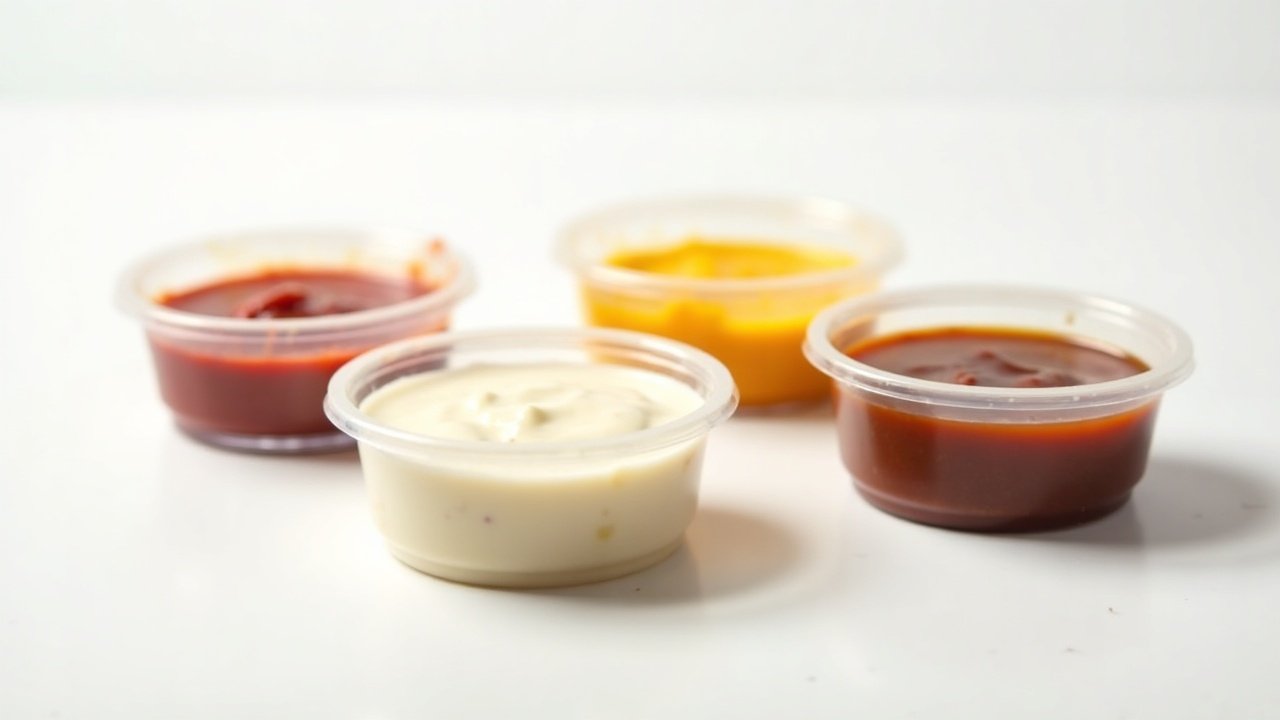
- Sauces and dressings: Make a big batch of a simple sauce and it can transform the same base ingredients into totally different meals.
Seriously, roasted veggies changed my life. I’m not even being dramatic.
Containers and Storage — Don’t Sleep on This
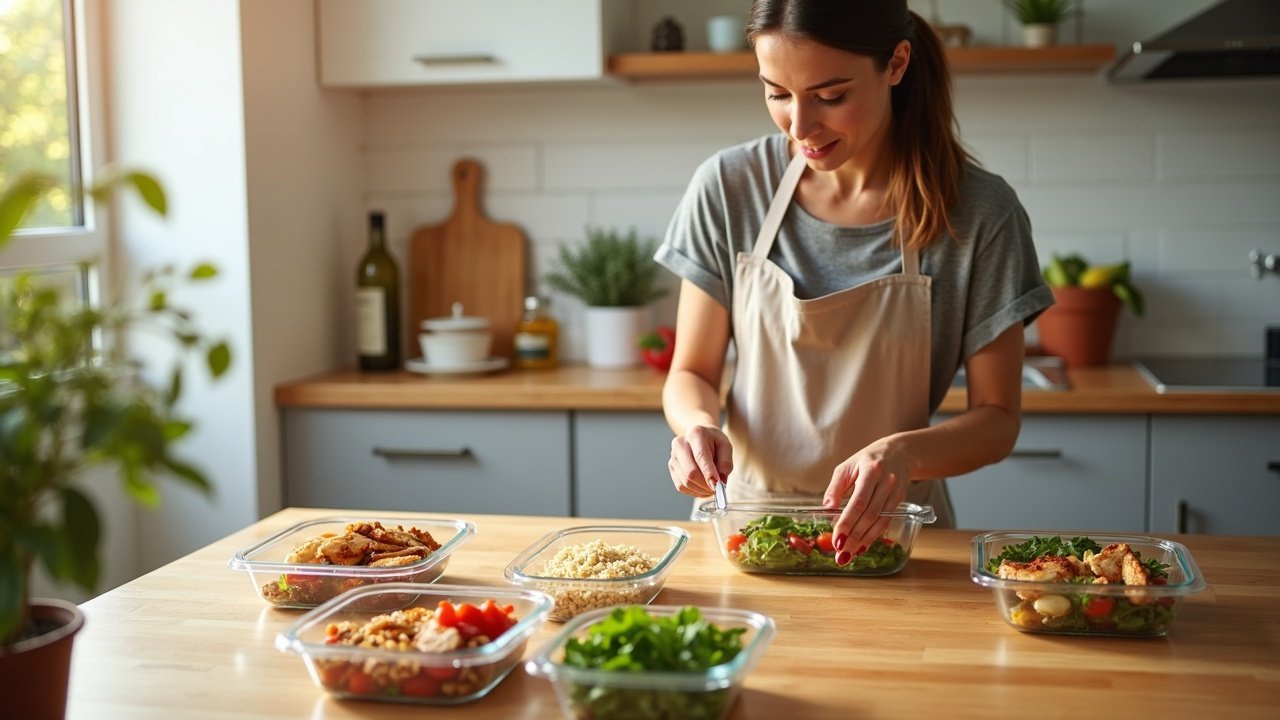
Okay, this part sounds boring but it’s actually really important. Bad containers ruined so many of my meal prep efforts early on. Stuff would leak, get soggy, or just taste weird after a day. Investing in a decent set of glass meal prep containers was honestly one of the best decisions I made.
Glass keeps food fresher longer and doesn’t absorb smells or stains. For single-serving portions, I use two-cup and four-cup containers. Label them with masking tape and a marker so you know what’s what — future you will be grateful.
Keeping It Fresh So You Don’t Get Bored
The biggest threat to meal prep consistency? Boredom. I’ve ghosted my own meal preps before because I made the same chicken and rice combo four weeks in a row. Don’t do that to yourself.
The fix is what I call “modular meals.” Cook neutral base ingredients — grains, a protein, roasted veggies — and change up the seasoning or sauce each day. Monday it’s a burrito bowl. Tuesday it’s a stir-fry. Same ingredients, totally different vibe. It works, I promise.
Your Meal Prep Journey Starts With One Step
Look, you don’t have to overhaul your entire life to start meal prepping solo. Start small. Pick two or three meals, prep them on Sunday, and see how it feels. Adjust from there — make it yours. Maybe you hate quinoa (I get it), swap it out. Maybe you want more variety, add another recipe. There are no rules here, just what works for you.
One thing worth remembering: food safety matters. Always refrigerate prepped food within two hours of cooking, and don’t push storage past five days for most cooked foods. The FoodSafety.gov cold storage chart is a handy reference to keep bookmarked.
If you found this helpful and want more practical tips on simplifying your daily life, head over to Reset Harbor’s blog — there’s a lot more where this came from!