
Advertisements
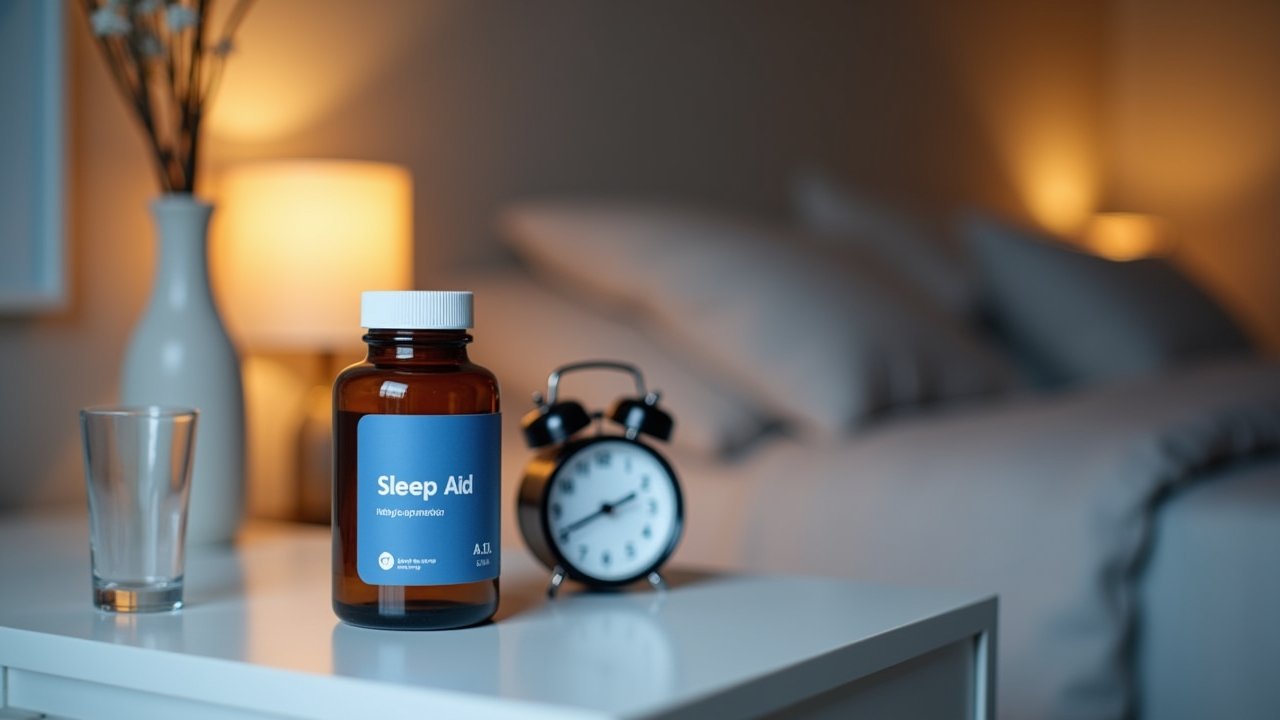
Melatonin for Sleep: Does It Actually Work or Is It Just Hype?
Did you know that around 1 in 3 adults don’t get enough sleep on a regular basis? Yeah, I was definitely one of them. There was a point in my life where I’d lie in bed staring at the ceiling for hours, completely wired, while my brain decided that 1 AM was the perfect time to replay every awkward conversation I’d ever had. Fun times. That’s when I started digging into melatonin for sleep — and honestly, what I found surprised me.
So, What Even Is Melatonin?
Melatonin is a hormone that your body naturally produces in the pineal gland — a tiny little thing in your brain. It basically tells your body, “Hey, it’s getting dark outside, time to wind down.” Your melatonin levels rise in the evening and drop in the morning, which is a big part of what regulates your circadian rhythm.
The problem? A lot of things mess with that natural cycle. Blue light from screens, stress, irregular schedules — all of it can throw your melatonin production off track. And when that happens, falling asleep feels like trying to turn off a TV with a broken remote.
My First Experience With Melatonin Supplements
I’ll be honest — my first attempt with melatonin was a total rookie move. I figured, more is better, right? So I popped a 10mg tablet before bed and woke up the next morning feeling like I’d been hit by a truck. Groggy, foggy, and kind of useless until noon. Not exactly the dream outcome (pun intended).
Turns out, I was way overdoing it. Research actually suggests that doses as low as 0.5mg to 1mg can be effective for most people. The common supplements you find at drugstores are often 5mg or 10mg — which is way more than your body actually needs. Less really is more here, and that was a lesson I learned the hard way.
When Does Melatonin Actually Help?
Here’s the thing — melatonin isn’t a magic sleeping pill. It’s not going to knock you out like a sedative. Instead, it works best as a sleep timing tool. So if your issue is that you can’t fall asleep because your internal clock is out of whack, melatonin can genuinely help reset it.
Advertisements
It’s especially useful in these situations:
- Jet lag — Traveling across time zones? Melatonin can help your body adjust faster.
- Shift work — If your schedule flips day and night, melatonin can signal your body when it’s time to rest.
- Delayed sleep phase — Some people naturally feel sleepy very late at night. Melatonin taken earlier in the evening can help shift that window.
- Occasional insomnia — When stress or anxiety is messing with your sleep onset, a low dose can take the edge off.
Tips I’ve Actually Used (And That Worked)
After a lot of trial and error — and way too many groggy mornings — here’s what actually made a difference for me:
- Start low. Seriously, try 0.5mg or 1mg first. You can always adjust from there.
- Time it right. Take melatonin about 30 to 60 minutes before you want to fall asleep. Timing matters more than most people think.
- Dim the lights. Pairing melatonin with a darker environment helps your body get the message. Screens still confuse your brain even if you’ve taken a supplement.
- Don’t rely on it every night. Melatonin is best used short-term or situationally. It’s not really designed to be a permanent nightly fix.
Is It Safe, Though?
For most healthy adults, short-term melatonin use is considered safe. But — and this is important — it’s not regulated by the FDA the same way prescription drugs are. That means the dose on the label isn’t always what’s actually in the pill. A study published in JAMA found that melatonin content in supplements varied wildly from what was listed. Wild, right?
Also, if you’re pregnant, breastfeeding, or taking other medications, definitely talk to your doctor before using it. Same goes for kids — the research on melatonin for children is still pretty limited.
Sweet Dreams Are Made of This
Look, melatonin for sleep can be a genuinely helpful tool — but only when used the right way. It’s not a cure-all, and it works best when paired with good sleep hygiene habits like consistent bedtimes, limiting caffeine, and creating a relaxing nighttime routine. Think of it as a gentle nudge for your body, not a sledgehammer.
Everyone’s body is different, so what works for me might need a little tweaking for you. The key is to start slow, pay attention to how you feel, and always put your long-term health first. And hey, if you’re still struggling, don’t hesitate to reach out to a sleep specialist — there’s no shame in getting real help.
If you found this helpful, there’s plenty more where that came from! Head over to Reset Harbor — we cover everything from sleep health to wellness routines that actually fit real life. You might just find exactly what you’ve been looking for.