Advertisements
Vegetarian Protein Prep: How I Finally Stopped Winging It Every Week
Did you know that well-planned vegetarian diets can absolutely meet all your protein needs — no meat required? I didn’t believe that for a long time, honestly. I used to think meal prepping without chicken or beef was just… sad. Boy, was I wrong.
When I first went vegetarian, my meal prep game was a disaster. I’d cook a giant pot of plain lentils on Sunday, feel super proud of myself, and then stare at them in the fridge by Wednesday like they’d personally offended me. The problem wasn’t the food — it was that I had no real plan for my vegetarian protein prep. So let me share what actually works, because it took me way too long to figure this out.
Why Protein Prep Matters More for Vegetarians
Look, I’ll be real with you. When you cut out meat, protein doesn’t just magically appear on your plate. You’ve got to be a little intentional about it. Plant-based protein sources like legumes, tofu, tempeh, and edamame are incredible — but they take some planning to actually get enough of them throughout the week.
According to the Mayo Clinic, most adults need around 50–60 grams of protein per day, and vegetarians can absolutely hit that goal. The trick is prepping your proteins ahead of time so you’re not scrambling at 6 PM asking yourself, “Wait, what am I even eating tonight?”
My Go-To Vegetarian Protein Sources for Meal Prep
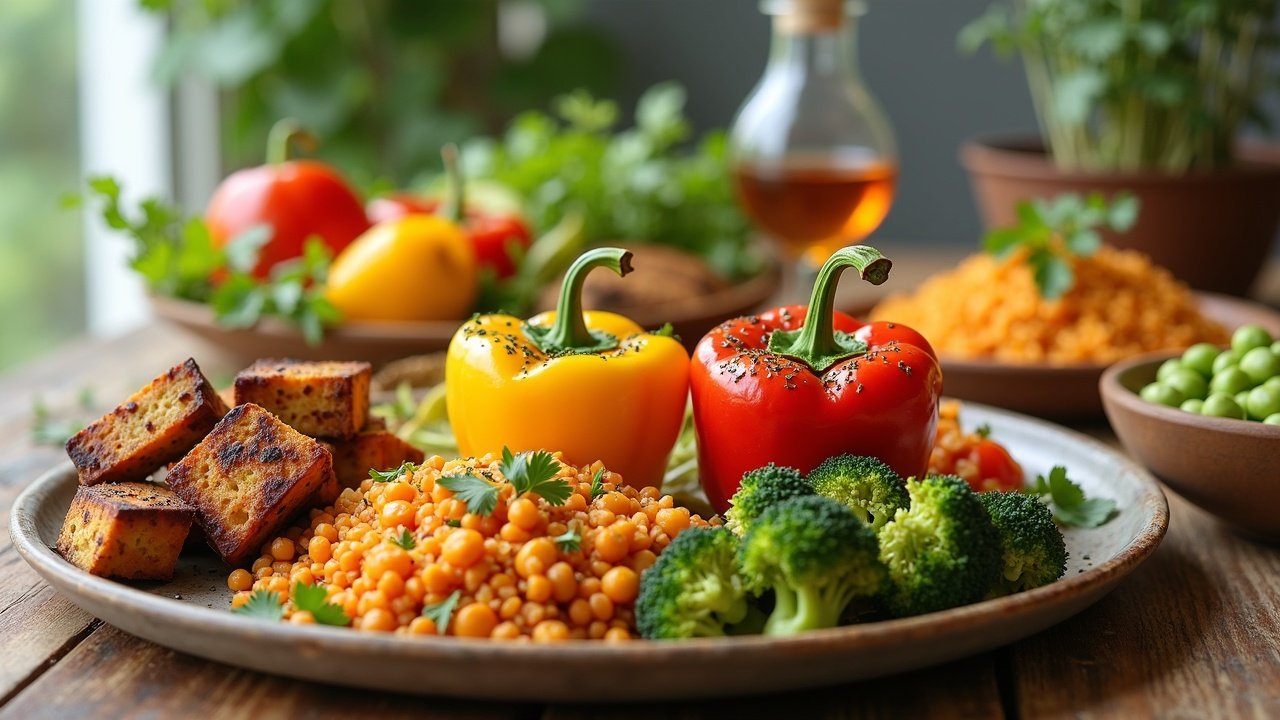
Over the years, I’ve landed on a solid lineup of high-protein vegetarian foods that actually hold up well in the fridge. These are the MVPs of my weekly prep routine:
- Lentils — cheap, easy, and packed with about 18g of protein per cooked cup. They last in the fridge for up to 5 days.
- Chickpeas — roast them, mash them, throw them in a salad. Super versatile.
- Tempeh — honestly, once you learn how to cook tempeh properly, it’s a total game changer. Marinate it overnight. Trust me.
- Tofu — press it well, season it heavy, and bake it. Soggy tofu is a crime I committed many times before learning this.
- Edamame — buy it frozen, steam it in bulk, done. Easy protein snack all week long.
- Greek yogurt and cottage cheese — if you eat dairy, these are protein goldmines with very little prep involved.
- Quinoa — technically a grain, but it’s a complete protein. Cook a big batch and use it all week as a base.
A Simple Vegetarian Protein Prep Routine That Actually Works
Here’s the thing — you don’t need to spend your entire Sunday in the kitchen. I used to do that and I burned out fast. Now I keep it simple, focused, and honestly kind of enjoyable.
Advertisements
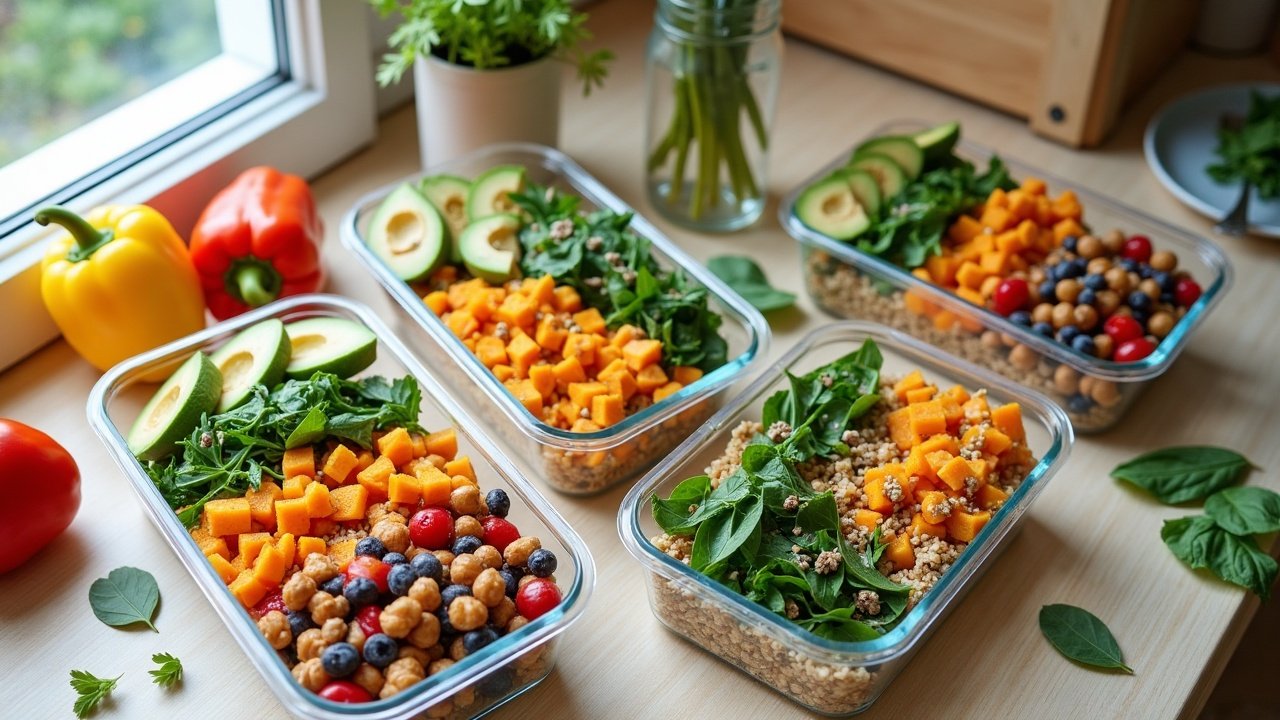
First, I pick two or three protein sources for the week, not five. Trying to prep everything at once is overwhelming and leads to food waste. Second, I cook them in big batches using basic seasonings, then customize the flavor when I actually eat them during the week. That way, the same batch of lentils can become a curry on Monday and a taco filling on Thursday.
Also — and this one’s important — I always store my prepped proteins in clear containers at eye level in the fridge. Out of sight, out of mind is real. If I can’t see my beautifully prepped tempeh, I will absolutely forget it exists and order pizza instead.
Common Mistakes to Avoid (Learned the Hard Way)
I’ve made basically every mistake possible when it comes to plant-based protein meal prep, so let me save you some pain:
- Not seasoning enough. Plain boiled chickpeas are depressing. Season everything generously.
- Skipping the press on tofu. Pressing tofu is non-negotiable if you want a good texture.
- Prepping too much variety. Stick to two or three proteins per week max.
- Ignoring protein combinations. Pairing incomplete proteins like rice and beans together creates a complete amino acid profile — something worth knowing.
Your Plate, Your Rules — But Keep It Smart
Getting your vegetarian protein prep down is genuinely one of the best things you can do for your health, your energy, and honestly your wallet too. Plant proteins are way more affordable than meat, and once you get the hang of it, the whole routine feels pretty effortless. Customize everything to your taste — add spices you love, swap out ingredients based on what’s in season, and don’t stress if some weeks look different than others.
Just remember: if you have specific dietary needs, allergies, or health conditions, it’s always a good idea to check with a nutritionist or your doctor before making big changes to your diet. Eating well should feel empowering, not stressful.
If this sparked some ideas for you, there’s a whole lot more where that came from — head over to Reset Harbor’s blog and explore other posts on healthy living, meal planning, and feeling your best. You’ve got this!