Sleep Hygiene Basics: What I Wish Someone Had Told Me 10 Years Ago
Advertisements
Here’s a stat that honestly blew my mind — the CDC reports that roughly 1 in 3 American adults don’t get enough sleep on a regular basis. One in three! I used to be one of those people, stumbling through my days on five hours of broken sleep and wondering why I felt like garbage all the time.
Turns out, the fix wasn’t some fancy supplement or expensive mattress. It was understanding sleep hygiene basics — the simple daily habits and routines that set your body up for actually restful sleep. And honestly, once I started taking this stuff seriously, it changed everything.
What Even Is Sleep Hygiene?
So sleep hygiene is basically the collection of habits, behaviors, and environmental factors that influence your sleep quality. Think of it like dental hygiene but for your brain and body’s rest cycle. You wouldn’t skip brushing your teeth for a week and expect everything to be fine, right?
The Sleep Foundation defines it as a set of practices that are necessary to have normal, quality nighttime sleep and full daytime alertness. I remember reading that for the first time and thinking, “Wait, there’s an actual framework for this?” Yeah, there is. And it’s not complicated.
My Bedroom Was Basically Working Against Me
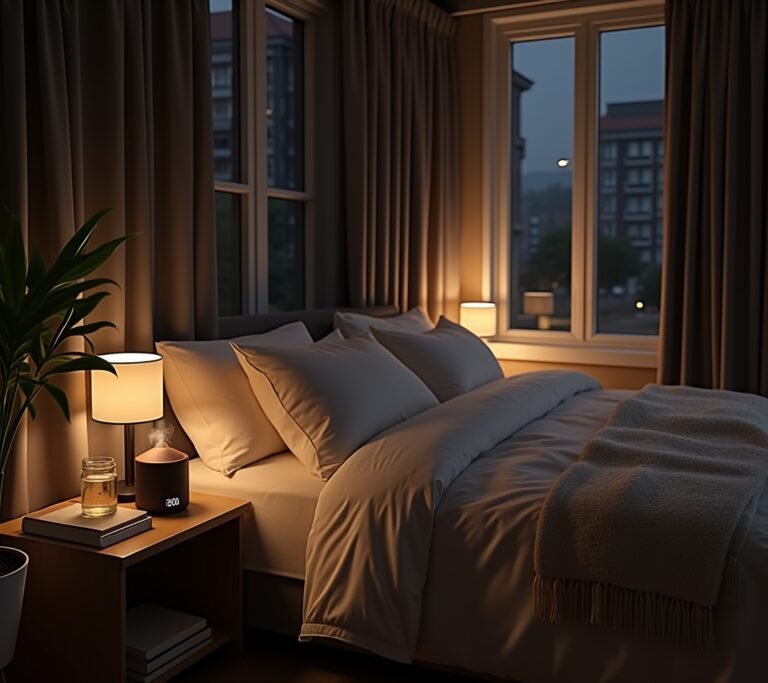
Let me tell you about the dumbest mistake I made for years. I had a TV mounted right across from my bed, a charging station on my nightstand with blinking lights everywhere, and blackout curtains that I never actually closed. My sleep environment was a disaster.
Your bedroom temperature matters more than you’d think — experts at the Huberman Lab recommend keeping it between 65-68°F for optimal sleep. I also ditched the TV and started using my bedroom only for sleep and, well, you know. That alone made a noticeable difference within like a week.
Here are the environmental changes that actually worked for me:
- Keeping the room cool and dark — I finally started closing those curtains
- Removing all electronics with standby lights
- Using a white noise machine to block out street sounds
- Investing in decent pillows (doesn’t have to be expensive, just supportive)
The Bedtime Routine I Fought Against and Then Loved
I’m not gonna lie, when my doctor first told me I needed a consistent bedtime routine, I rolled my eyes. I’m a grown adult, not a toddler. But she was right, and my stubborness cost me months of better sleep.
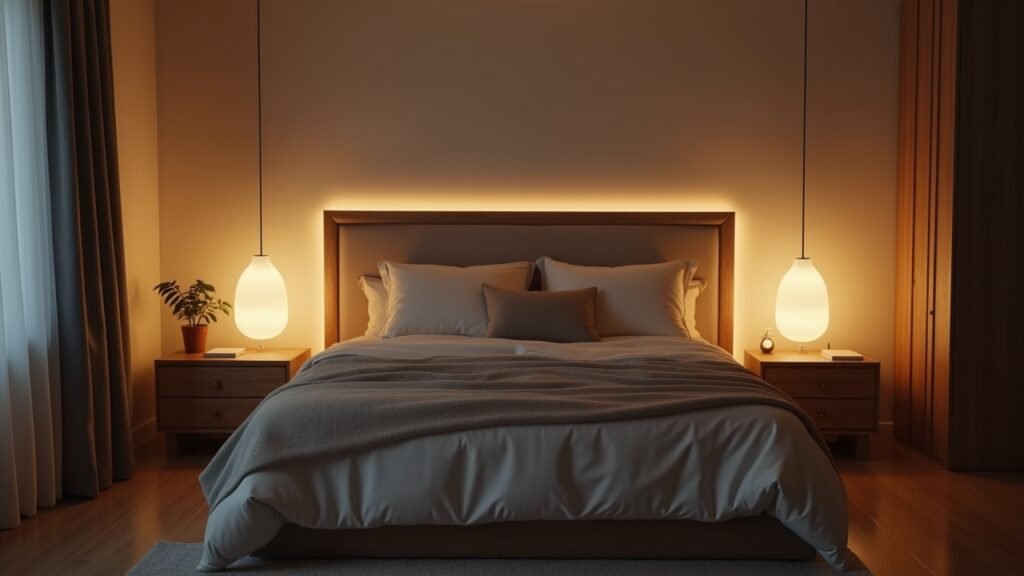
A wind-down routine signals to your circadian rhythm that it’s time to start producing melatonin naturally. I now start dimming lights about an hour before bed. I’ll read something light — nothing work-related — or do some gentle stretching.
The biggest game-changer? Going to bed and waking up at roughly the same time every day, even on weekends. I hated this rule at first because sleeping in on Saturdays felt like a basic human right. But keeping a consistent sleep schedule stabilized my energy levels in ways I honestly didn’t expect.
Screen Time: The Habit I Still Struggle With
Okay, I’ll be real. This one is still hard for me. The blue light emitted from phones and laptops suppresses melatonin production, and scrolling through social media before bed is basically telling your brain to stay alert. I know this, and I still catch myself doing it sometimes.
What’s helped is setting a phone curfew — mine goes on “Do Not Disturb” at 9:30 PM. Some nights I fail spectacularly. But most nights, I put the phone in another room entirely, and that physical distance makes all the difference.
Watch What You Consume (And When)

Caffeine has a half-life of about 5-6 hours, which means that afternoon coffee at 3 PM is still partying in your system at bedtime. I learned this the hard way after months of wondering why I couldn’t fall asleep despite being exhausted. Now my cutoff is noon, and I’ve swapped to herbal tea in the evenings.
Advertisements
Alcohol is sneaky too. Sure, a glass of wine might make you drowsy, but it actually fragments your sleep cycles and reduces REM sleep quality. Heavy meals close to bedtime are also not ideal — your body’s busy digesting instead of resting.
Your Turn to Reset
Look, sleep hygiene basics aren’t glamorous. There’s no magic pill here, just small, consistent changes that compound over time. Start with one or two adjustments — maybe fix your sleep environment or set a consistent wake time — and build from there. What works for me might need tweaking for you, and that’s totally fine.
If you’re ready to dig deeper into building better habits for rest, recovery, and overall well-being, check out more posts over at Reset Harbor. Your future well-rested self will thank you!