
Advertisements
Here’s a wild stat that blew my mind – nearly 70% of adults report experiencing daily physical tension before bed. I was definitely one of them! For years, I’d crawl into bed feeling like my shoulders were trying to touch my ears, wondering why sleep felt like such a struggle.
That’s when I discovered the magic of evening stretches, and honestly, it changed everything. Let me walk you through what I’ve learned from countless nights of trial and error.
Why Nighttime Stretching Actually Matters

So here’s the thing – our bodies accumulate tension throughout the day like we’re collecting stamps or something. Sitting at desks, staring at phones, carrying stress in weird places. By evening, we’re basically walking knots.
I used to think stretching was just for athletes or yoga people. Boy, was I wrong about that one. A good bedtime stretch routine signals to your nervous system that it’s time to wind down, which is pretty crucial for quality sleep.
The parasympathetic nervous system gets activated when you stretch slowly and breathe deeply. This is your body’s “rest and digest” mode. It’s basically the opposite of that fight-or-flight feeling you get when your boss sends a late email.
My Go-To Relaxation Stretches Before Bed
Alright, let me share the stretches that actually worked for me after trying approximately a million different ones.
The Neck Release
This one’s a game-changer if you’re hunched over screens all day. Simply drop your ear toward your shoulder and hold for about 30 seconds. I made the mistake of pulling too hard at first – don’t do that, trust me. Just let gravity do its thing and breathe into the stretch.
Supine Spinal Twist
Lying on your back, bring one knee across your body while keeping shoulders flat. Healthline has a great breakdown of proper form for this one. I literally heard my spine crack the first time I tried it, which was terrifying but also weirdly satisfying?
Child’s Pose
This gentle stretch for your back and hips is probably my favorite. Kneel down, sit back on your heels, and reach your arms forward on the floor. Sometimes I fall asleep in this position, which is both embarrassing and a testament to how relaxing it is.
Figure Four Stretch
Perfect for those tight hip flexors we all have from sitting too much. Lie on your back, cross one ankle over the opposite knee, and gently pull the bottom leg toward you. Hold this for at least 45 seconds each side – rushing through it was another rookie mistake I made.
Creating Your Own Pre-Sleep Flexibility Routine
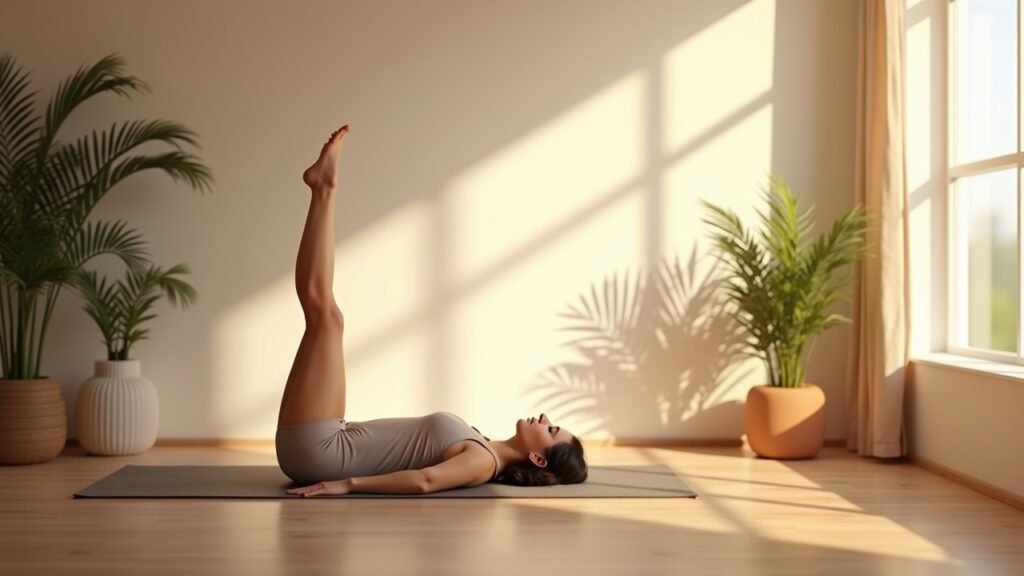
Here’s what I’ve learned about building a sustainable nighttime routine – keep it simple, people! You don’t need to spend an hour doing this stuff.
- Start with 5-10 minutes maximum
- Focus on areas that feel the most tense
- Never stretch to the point of pain
- Breathe slowly and deliberately
- Keep the lights dim if possible
I tried being ambitious at first with a 30-minute routine. Guess how long that lasted? About three days. A shorter muscle relaxation routine you’ll actually stick to beats an elaborate one you’ll abandon.
Watch and Learn
Sometimes it helps to see these movements in action. I found this 10-minute bedtime stretching video super helpful when I was starting out. Visual guides made a huge difference in getting the form right and not accidentally hurting myself.
Advertisements
Common Mistakes I Made (So You Don’t Have To)
Let me save you some trouble. I used to stretch right after eating dinner – bad idea, felt nauseous every time. Also, doing intense stretches when your muscles are cold isn’t great. A warm bath or shower before your evening flexibility exercises can help.
Another thing – holding your breath while stretching. We all do it unconsciously, and it completely defeats the purpose of the relaxation benefits you’re going for.
Your Path to Better Sleep Starts Tonight
Evening stretches aren’t some complicated wellness trend – they’re a simple tool that can genuinely improve your sleep quality and reduce that end-of-day tension. Start small, be consistent, and listen to your body.
Remember, what works for me might need tweaking for you. Everyone’s body is different, and that’s totally okay. If you have any existing injuries or health conditions, definitely chat with a healthcare provider before starting something new.
Want more tips on improving your daily routines and wellness habits? Check out other posts on Reset Harbor for more practical life hacks that actually work!