Advertisements
Weekly Meal Planning: How I Stopped Wasting Money (and My Sanity) in the Kitchen
Did you know that the average American household throws away nearly $1,500 worth of food every single year? Yeah, I used to be that household. Every Sunday I’d open my fridge and find wilted lettuce, forgotten leftovers, and three half-used cans of something I couldn’t even remember buying. It was a mess. But once I got serious about weekly meal planning, everything changed — and I mean everything.
What Is Weekly Meal Planning, Exactly?
At its core, weekly meal planning is the process of deciding in advance what you’re going to eat for the week. That includes breakfast, lunch, dinner, and even snacks if you’re really committed. It sounds simple, right? But trust me, there’s a bit of an art to it.
The goal isn’t to be some kind of gourmet chef or spend your whole Sunday in the kitchen. It’s about reducing decision fatigue, cutting down on food waste, and saving money on groceries. Honestly, once you get the hang of it, it becomes kind of fun — like a puzzle you solve every week.
Why I Finally Gave Meal Planning a Real Shot
A few years back, I was spending way too much money on takeout. Like, embarrassingly too much. I’d get home tired, stare into the abyss of my refrigerator, and just… order pizza. Again. It was costing me a fortune and I wasn’t eating well either.
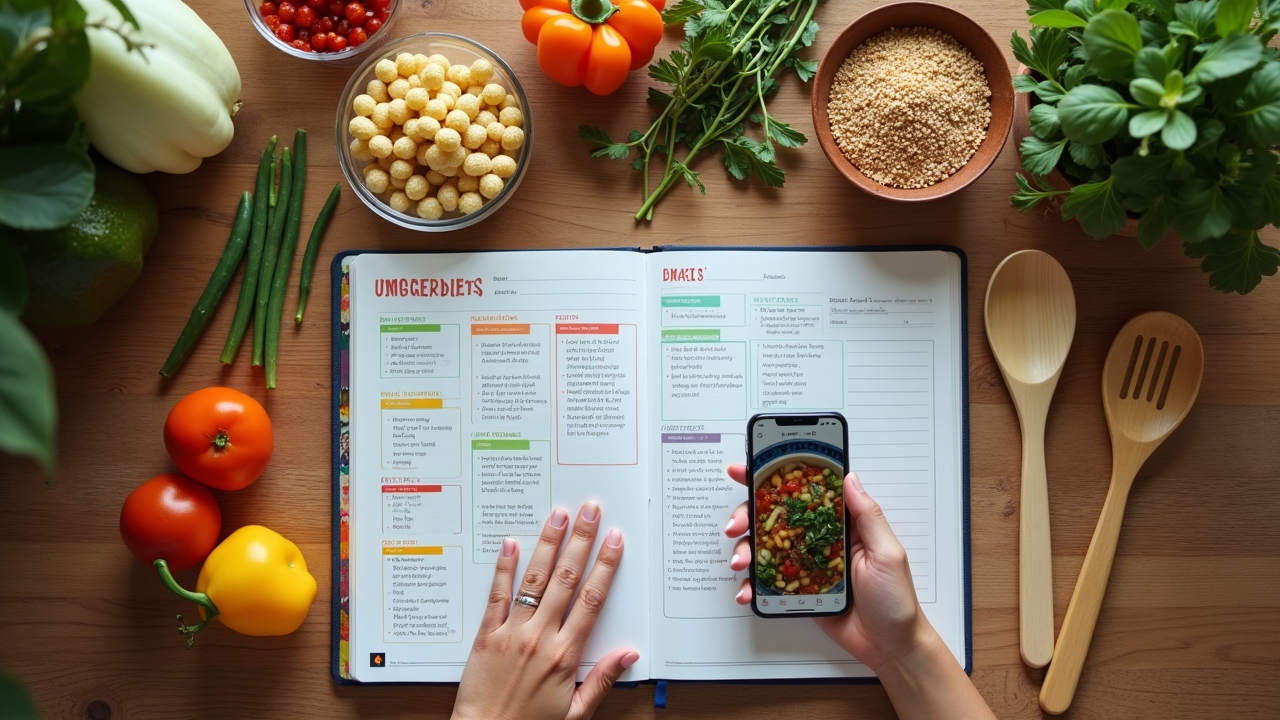
A friend of mine — shoutout to Karen, she’s basically a meal prep wizard — handed me a simple weekly meal planner template she’d found online. I rolled my eyes at first, ngl. But I tried it, and within two weeks, my grocery bill dropped by almost 30%. I was hooked.
How to Start Your Weekly Meal Plan (Without Losing Your Mind)
Starting out doesn’t have to be complicated. Here’s what worked for me, and what I still do every single week:
Advertisements
- Pick a planning day. Sunday works best for most people, but even Friday evening works if that fits your schedule better.
- Check what you already have. Before you write anything down, look through your pantry and fridge. You’d be surprised how many meals are hiding in there already.
- Plan around your week, not against it. Got a late meeting on Tuesday? Plan something quick like a stir-fry or sheet pan meal. Don’t set yourself up to fail.
- Use a grocery list app. I personally love AnyList — it’s free and makes shopping a breeze.
- Start with just dinners. Don’t overwhelm yourself planning every single meal right away. Master dinners first, then work your way out.
Batch Cooking: The Secret Weapon
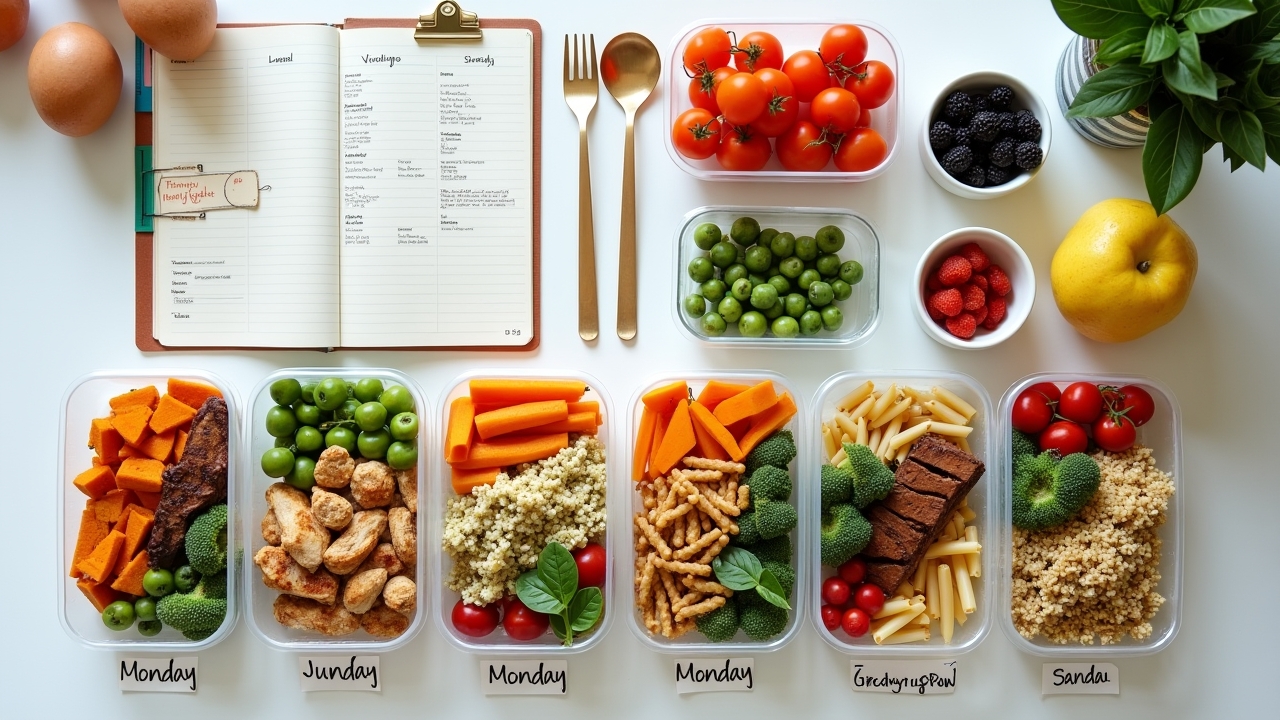
Once you’re comfortable with basic meal planning, batch cooking is your next best friend. This is where you cook large portions of a few key ingredients — think roasted veggies, a big pot of grains, or a couple pounds of chicken — and then mix and match them throughout the week.
I usually spend about 90 minutes on Sunday doing this. It sounds like a lot, but it saves me probably four or five hours during the week. Plus, I’m not scrambling at 6pm trying to figure out what’s for dinner. The BBC Good Food guide to batch cooking is honestly a great place to start if you’re new to the concept.
Common Mistakes Beginners Make
Oh, I’ve made them all. Planning too many new recipes in one week? Done it. Buying ingredients for five different cuisines and running out of steam by Wednesday? Yep. Here’s what to avoid:
- Don’t over-plan. Two or three new recipes per week is plenty.
- Don’t ignore your leftovers — build them into the plan intentionally.
- Don’t forget to check for sales at your local grocery store before planning. Apps like Flipp can help you find weekly deals.
- Don’t be too rigid. Life happens. Keep a backup “emergency” meal idea for crazy days.
Your Kitchen, Your Rules
Here’s the thing about weekly meal planning — it’s not one-size-fits-all. What works for a family of four won’t look the same as a plan for someone living solo. And that’s totally fine! The best meal plan is the one you’ll actually stick to, not the one that looks prettiest on Pinterest.
Also, please keep dietary needs and food safety in mind. Prepped meals should be stored properly — most cooked foods stay good in the fridge for up to four days according to the FDA — so plan accordingly and don’t push it.
So, if you’re tired of the dinner-time chaos, the wasted groceries, and the constant takeout temptation — give weekly meal planning a real shot. Tweak it, make it yours, and watch how much smoother your week runs. And if you’re looking for more practical tips on building healthier, more balanced daily habits, head over to Reset Harbor — there’s a whole lot more waiting for you there!