Advertisements

Best Sleep Position: What I Learned After Years of Waking Up Like a Pretzel
Here’s a stat that honestly blew my mind — we spend about a third of our entire lives sleeping. A third! And yet, most of us have never really thought about whether the position we sleep in is actually helping or hurting us.
I sure didn’t. For years, I’d crash into bed however my body landed and wonder why I woke up with a stiff neck or an aching lower back. It wasn’t until a particularly brutal bout of acid reflux at 3 a.m. that I finally went down the rabbit hole of figuring out the best sleep position. Turns out, the way you sleep affects everything from spinal alignment to digestion, and even your skin.
Why Your Sleep Position Actually Matters
Look, I used to think sleep was sleep. You close your eyes, you pass out, you wake up. But your sleeping posture plays a huge role in sleep quality and overall health.
The wrong position can cause chronic back pain, worsen snoring, and even contribute to wrinkles over time — yeah, that one caught me off guard too. On the flip side, the right position can reduce heartburn, improve circulation, and help you wake up actually feeling rested. According to the Sleep Foundation, your sleep position is one of the most overlooked factors in getting restorative sleep.
Side Sleeping: The Fan Favorite
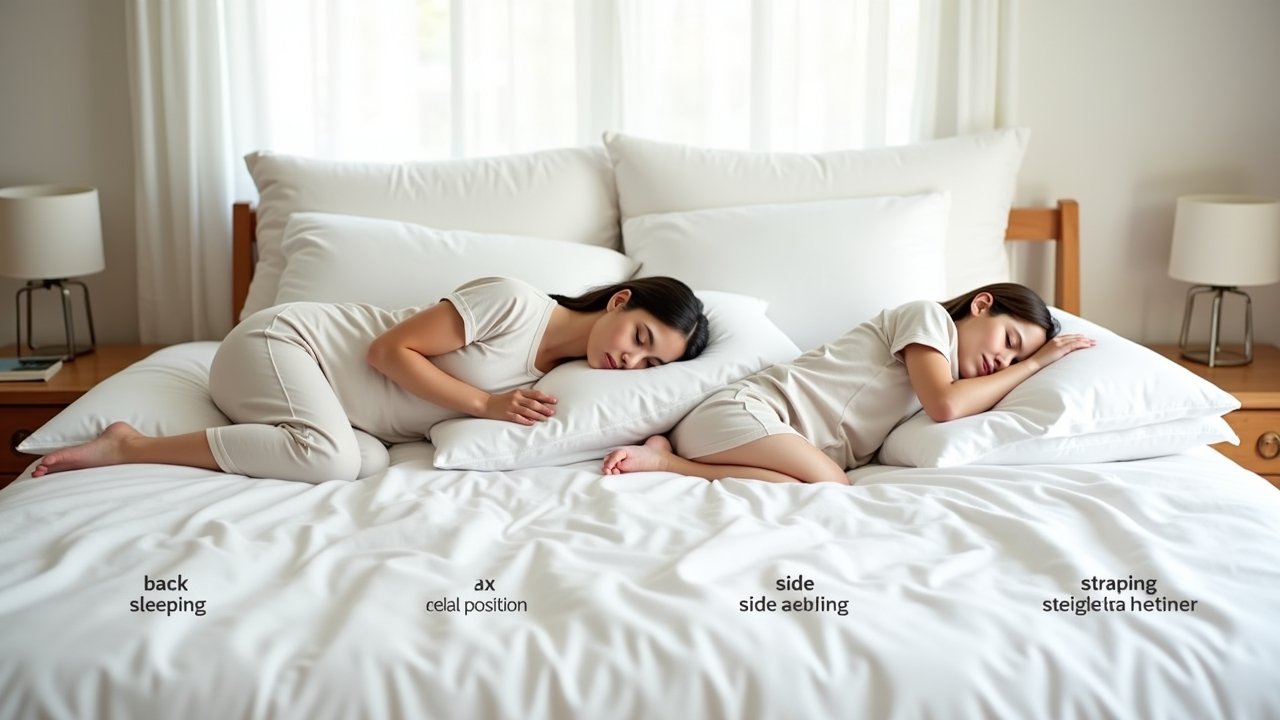
So let’s get into it. Side sleeping is widely considered the best sleep position for most people, and honestly, it’s where I landed after all my experimenting.
Sleeping on your left side in particular is amazing for digestion and can seriously reduce acid reflux — something I wish I’d known before that terrible night with the spicy tacos. It also helps with snoring and is generally recommended for people with sleep apnea. If you’re pregnant, left-side sleeping improves blood flow to the fetus, which is why pretty much every OB-GYN on the planet recommends it.
Advertisements
One downside though? Shoulder pain. I dealt with this for weeks until I started placing a pillow between my knees for better hip alignment. Game changer.
Back Sleeping: Great for Some, Terrible for Others
Sleeping on your back is technically the best position for spinal alignment. Your weight is evenly distributed, and there’s no weird pressure on your joints. It’s also the go-to recommendation from chiropractors for people dealing with neck pain.
But here’s the thing — back sleeping can make snoring way worse. Like, my partner literally nudged me awake multiple times a night when I tried this. If you have obstructive sleep apnea, back sleeping is probably not your friend. The Johns Hopkins Medicine team actually warns against it for folks with breathing issues during sleep.
That said, if you’re a back sleeper who doesn’t snore, more power to you. Just try a thin pillow under your knees to support the natural curve of your spine.
Stomach Sleeping: The One I Had to Quit
Okay, confession time. I was a stomach sleeper for most of my twenties. It felt so cozy, like being hugged by the mattress. But man, it was wrecking my neck.
Stomach sleeping forces your head to turn to one side for hours, which puts a ton of strain on your cervical spine. I started getting these headaches that just wouldn’t quit. My physical therapist basically told me I needed to stop immediately, and she wasn’t being dramatic about it either.
If you absolutely can’t break the habit, try sleeping without a pillow or using a super flat one. It reduces some of the neck strain, though it’s still not ideal for your lower back.
Quick Comparison of Sleep Positions
- Side sleeping — Best for acid reflux, snoring, and pregnancy. Watch out for shoulder pressure.
- Back sleeping — Best for spinal alignment. Avoid if you snore or have sleep apnea.
- Stomach sleeping — Generally not recommended. Can cause neck and back pain over time.
Find What Works for Your Body
At the end of the day, the best sleep position is the one that lets you wake up pain-free and actually rested. What worked for me — left-side sleeping with a knee pillow — might not be your thing, and that’s totally fine.
Listen to your body. If you’re waking up sore or groggy every morning, it might be worth switching things up for a week and seeing how you feel. And please, if you have a medical condition like sleep apnea or chronic back pain, talk to your doctor before making big changes.
Want more tips on improving your sleep and overall well-being? Head over to Reset Harbor and explore our other posts — we’ve got plenty of practical advice to help you feel your best.