Can’t Fall Asleep? Yeah, I’ve Been There (More Times Than I’d Like to Admit)
Advertisements
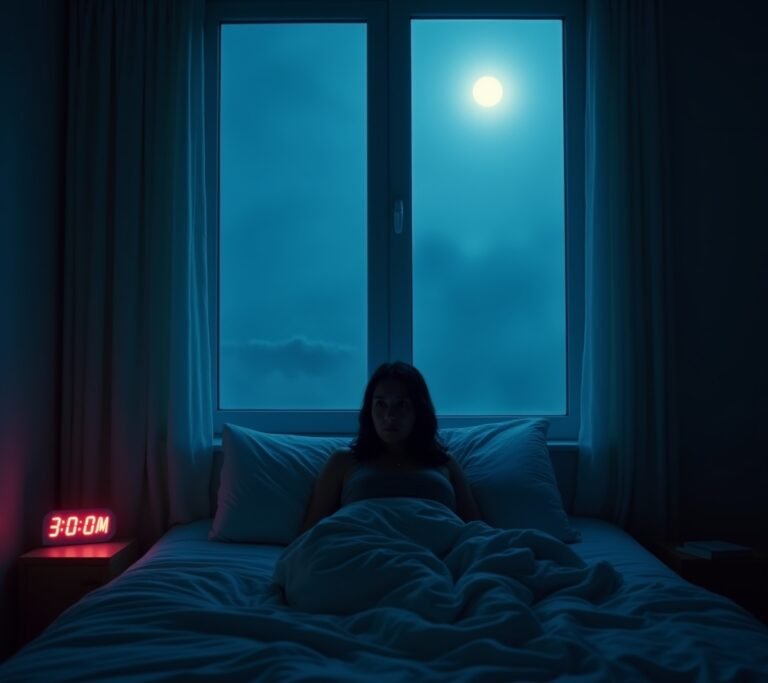
Here’s a stat that honestly blew my mind: according to the CDC, roughly 1 in 3 American adults don’t get enough sleep on a regular basis. One in three! And I used to be solidly in that camp, staring at the ceiling at 2 a.m., wondering why my brain decided that was the perfect time to replay every embarrassing thing I said in 2011.
If you can’t fall asleep at night, you already know how miserable it feels. It messes with your mood, your focus, your patience — basically everything. So let me share what actually worked for me after years of tossing and turning, because some of this stuff was genuinely a game-changer.
Why Your Brain Won’t Shut Up at Night
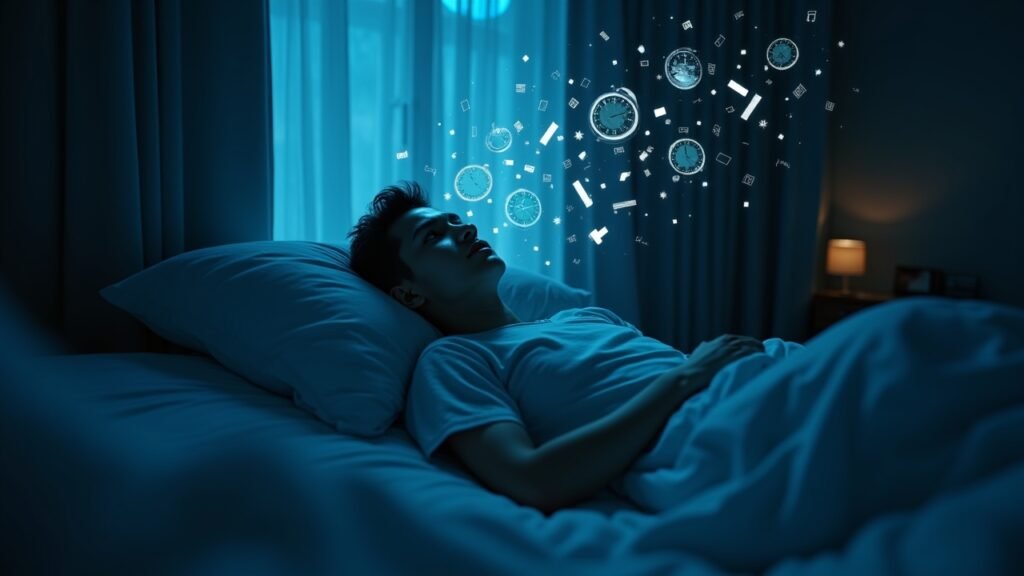
So here’s the thing I didn’t understand for the longest time. Your body has this internal clock called the circadian rhythm, and when you mess with it — even a little — falling asleep becomes a nightmare. Pun intended.
For me, the biggest culprit was screen time. I’d scroll through my phone in bed for like an hour, telling myself I was “winding down.” Spoiler: I was not winding down. The blue light from screens suppresses melatonin production, which is basically the hormone that tells your body it’s time to sleep.
But it wasn’t just the phone. Stress, caffeine too late in the day, an inconsistent sleep schedule — all of it was piling up. My sleep hygiene was, honestly, terrible.
The Dumb Mistake That Kept Me Awake for Years
Okay, this is a little embarrassing. For years, I drank coffee at like 4 or 5 in the afternoon because I needed that energy boost to get through the evening routine with my kids. I figured since I wasn’t drinking it right before bed, it was fine.
It was not fine. Caffeine has a half-life of about 5 to 6 hours, according to the Sleep Foundation. That means half of it is still buzzing around in your system hours later. Once I cut off caffeine by noon — and yeah, it was rough at first — I noticed a difference within a week.
What Actually Helped Me Fall Asleep Faster
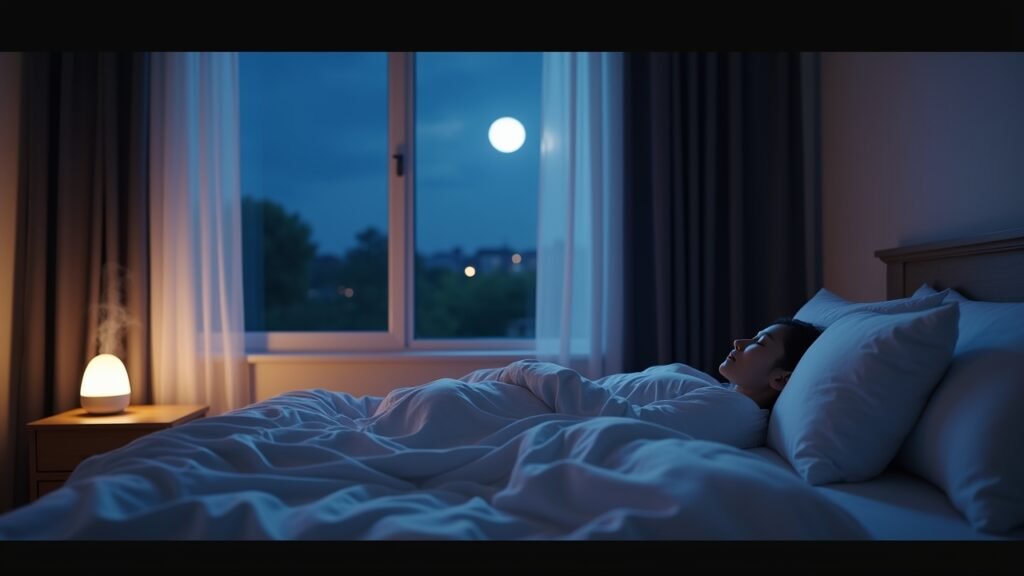
Look, I’m not gonna pretend I discovered some magic cure. But these small changes added up in a big way:
- I set a consistent bedtime. Even on weekends. This one was annoying but it trained my body to expect sleep at a certain hour.
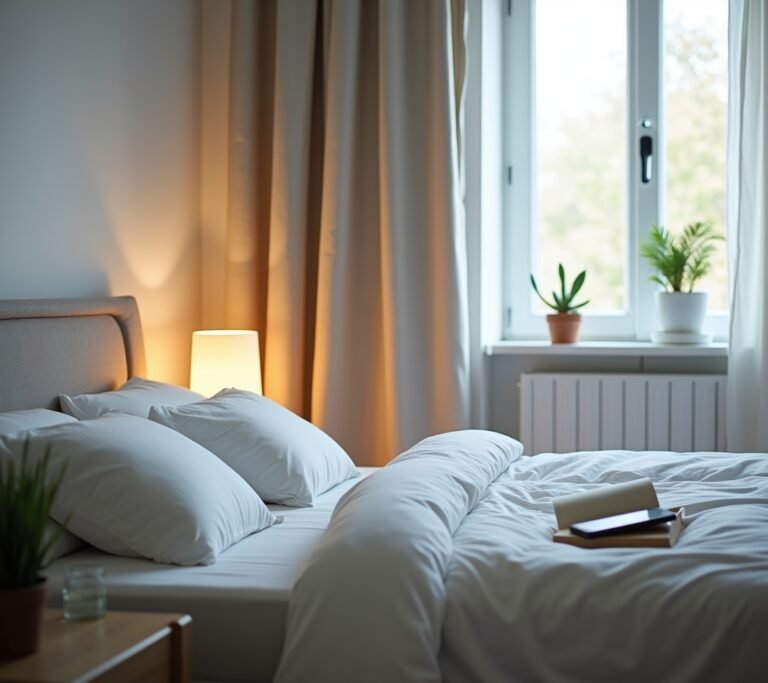
- I made my bedroom cold and dark. Like, really dark. I got blackout curtains and kept the thermostat around 65°F, which experts at the Sleep Foundation recommend for optimal sleep.
- I tried the 4-7-8 breathing technique. You breathe in for 4 seconds, hold for 7, and exhale for 8. Felt kinda silly at first, not gonna lie. But it actually calms your nervous system down pretty quick.
- No screens 30 minutes before bed. I replaced scrolling with reading an actual book. A boring one works even better, honestly.
- I stopped lying in bed awake. This was counterintuitive, but if I couldn’t fall asleep within 20 minutes, I’d get up and do something quiet in another room. It’s a technique from cognitive behavioral therapy for insomnia, and it works.
When It Might Be Something More Serious
Here’s where I gotta be real with you. If you’ve tried everything and you still can’t sleep, it might be worth talking to a doctor. Chronic insomnia, sleep apnea, restless leg syndrome — these are legit medical conditions that need professional help.
I actually thought I just had “bad sleep habits” for years before finding out anxiety was a huge factor. Getting that addressed made a world of difference. Don’t be stubborn like me — reach out to a healthcare provider if this is an ongoing battle.
Your Pillow Is Waiting
Sleep is one of those things we take for granted until it’s gone. The tips I shared aren’t one-size-fits-all, so experiment and figure out what clicks for your body and lifestyle. And please, if something feels off, don’t just power through it — get checked out.
If you found this helpful, stick around and explore more wellness and lifestyle posts over at Reset Harbor. We’ve got plenty more where this came from, and honestly, your future well-rested self will thank you!