
Advertisements
Here’s a stat that honestly blew my mind: according to the CDC, about 1 in 3 adults don’t get enough sleep. But here’s the thing that really gets me—even when I thought I was sleeping enough, I’d still wake up feeling like I got hit by a truck!
I spent years dragging myself out of bed, chugging coffee like my life depended on it. Turns out, the reasons behind morning fatigue are way more complicated than just “not sleeping enough.” Let me break down what I’ve learned the hard way.
Your Sleep Quality Might Be Trash (Even If You’re In Bed For 8 Hours)
So here’s where I messed up for the longest time. I’d proudly announce that I slept eight hours, wondering why I still felt exhausted. The problem was my sleep quality absolutely stunk.
Sleep cycles matter so much more than I realized. When you’re constantly waking up throughout the night—even if you don’t remember it—your body never reaches those deep, restorative sleep stages. Things like sleep apnea, restless leg syndrome, or even just a lumpy mattress can interrupt your sleep cycles without you knowing.
I discovered I was a mouth breather at night, which was apparently wreaking havoc on my sleep. Who knew? The Sleep Foundation has some great info on this stuff if you wanna dive deeper.
Screen Time Is Probably Sabotaging You
Okay, I’ll admit it—I used to scroll TikTok in bed until my eyes burned. Classic mistake! The blue light from our phones and tablets messes with melatonin production something fierce.
Your brain literally thinks it’s still daytime when you’re staring at screens before bed. This disrupts your circadian rhythm and makes it harder to fall into quality sleep. I started putting my phone across the room about an hour before bed, and honestly? Game changer.
What You’re Eating And Drinking Matters More Than You Think
Late-night snacking was my downfall. I’d eat a big meal around 9 PM, hop into bed at 10, and wonder why I felt so groggy in the morning. Your body can’t fully rest when it’s busy digesting that leftover pizza.
And caffeine? That sneaky devil has a half-life of about 5-6 hours. So that afternoon coffee at 3 PM is still hanging around in your system at bedtime. Alcohol is another culprit—it might help you fall asleep faster, but it seriously fragments your sleep later in the night.
Here’s a helpful video that explains the science behind diet and sleep fatigue:
Why Am I Always Tired? Top Reasons for Fatigue – Doctor Mike
Hidden Health Issues Could Be The Culprit
Sometimes waking up tired signals something bigger going on. Iron deficiency anemia was something my sister dealt with for years before getting diagnosed. She’d sleep ten hours and still feel wiped out.
Thyroid problems, particularly hypothyroidism, can cause chronic fatigue that no amount of sleep fixes. Depression and anxiety also seriously affect sleep architecture—you might be sleeping but not getting the right kind of rest. If you’ve tried everything and still wake up exhausted, it’s probably worth chatting with your doctor about bloodwork.
Advertisements
Your Bedroom Environment Needs Work
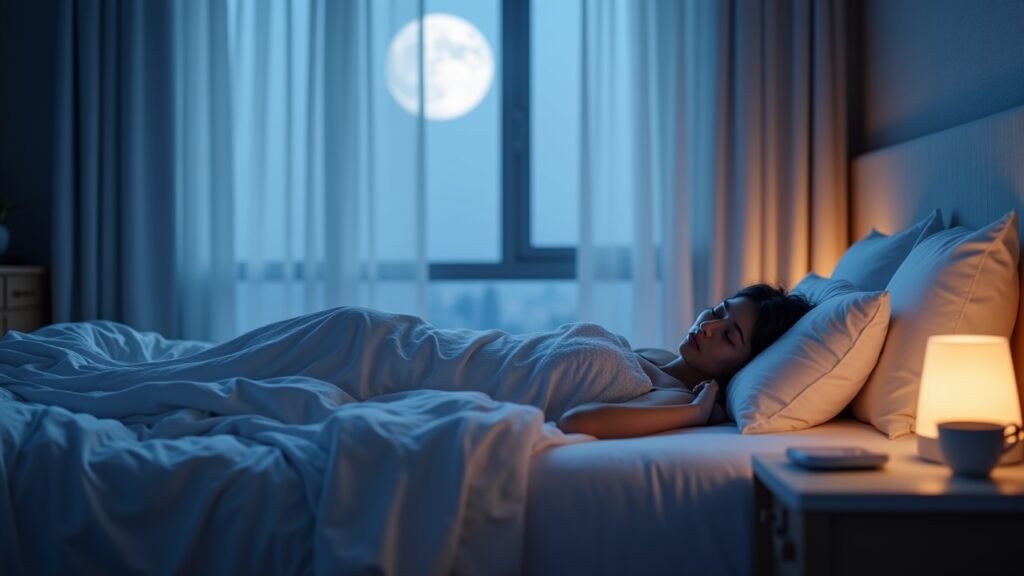
Temperature makes a huge difference, and I learned this the hard way during summer. Your body naturally drops in temperature when you sleep, so a hot room fights against that process. Most experts recommend keeping your bedroom between 60-67 degrees Fahrenheit.
Noise and light pollution are equally problematic. I invested in blackout curtains and a white noise machine, and my mornings improved dramatically. Sometimes the simplest fixes make the biggest difference.
Taking Back Your Mornings
Look, figuring out why you wake up tired often requires some detective work. What worked for me might not work for you, so don’t get discouraged if the first thing you try doesn’t help. Start by tracking your habits—what you eat, when you stop using screens, your stress levels—and look for patterns.
The key is being patient with yourself and making one change at a time. And hey, if you’re still struggling after making lifestyle adjustments, please don’t hesitate to see a healthcare professional. There’s no shame in getting help!
Want more tips on improving your daily life? Check out other posts on Reset Harbor for practical advice you can actually use.